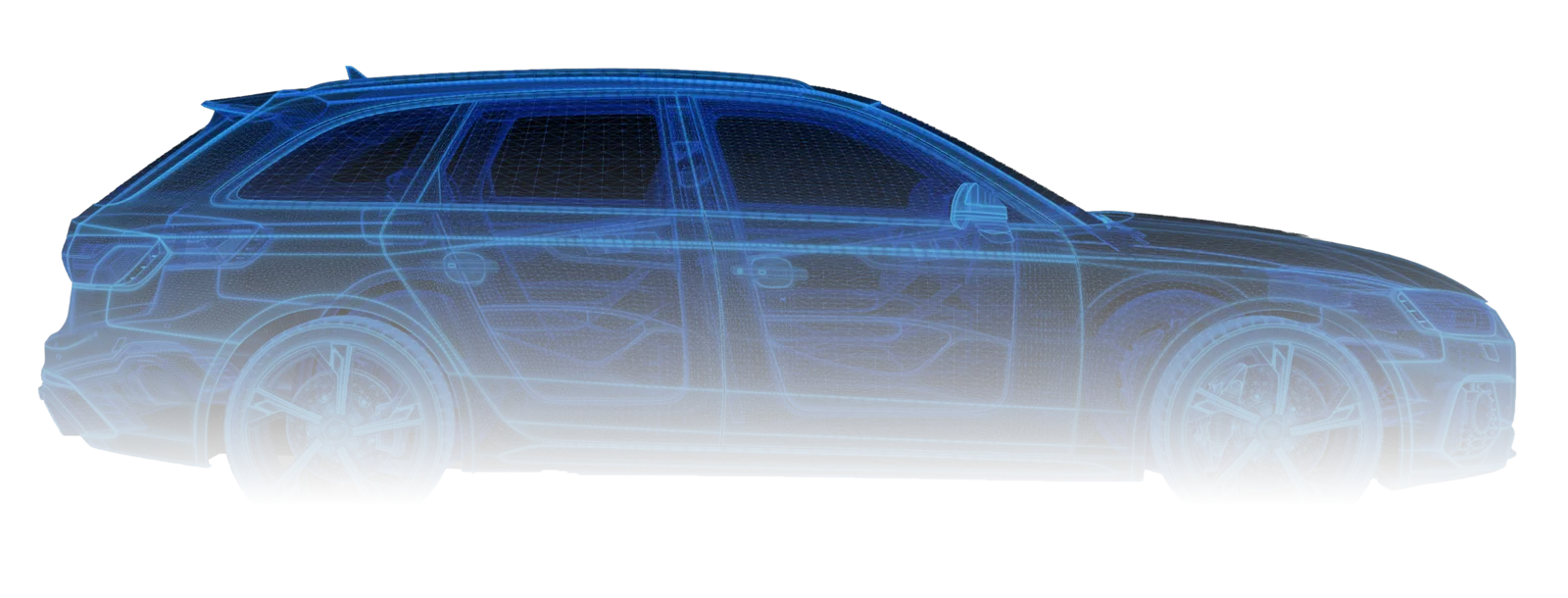
Windshield Camera Calibration. From $300 Per Camera.
Did the glass shop say your new windshield needs a camera calibration, even with no warning light? We get the camera seeing straight through your new glass again, at a service center or on a mobile visit nationwide. Send your VIN for a quote.
- Your quote is confirmed in writing before anything is scheduled.
- Calibration runs to full manufacturer specification.
- A calibration certificate after the job.
What windshield camera calibration does
The camera at the top of your windshield reads lane lines and traffic ahead. New glass or a camera taken off moves it.
Calibration re-aims it so it sees the road straight. Until it's done, don't count on lane keeping or automatic braking.
Static calibration aims at a target in a level, lit bay. Dynamic is a drive on marked roads (how the two differ).
Your VIN tells us which. Static or dynamic, it's one price per camera.
Same job, other names:
- windshield calibration or recalibration
- windshield sensor calibration
- ADAS (driver assistance) windshield calibration
- lane departure or lane assist calibration
Three ways this job usually starts
-
The glass shop replaced the windshield but didn't calibrate
Some glass shops don't calibrate. On most cars the camera moved with the glass and needs re-aiming, quiet dash or not. We do that.
-
A calibration was tried and wouldn't finish
The setup, the road, the glass, the camera's bracket or an error the car has saved can stall it. We find which, and what has to change.
-
The camera was taken off or replaced
It needs re-aiming. A new one may need coding, set up for your car, where the automaker's steps for your model include it.
Windshield camera calibration prices
Re-aiming the windshield camera is one price, static or dynamic. A car needing both has its own price.
Prices are before sales tax. Whether labor is taxed depends on your state; any tax that applies is itemized on your written quote.
What happens after you send the form
- 1
Send the VIN and what was done
The VIN shows which camera your car was built with. Add whether the glass or the camera was replaced.
- 2
Get your written quote
We call first. Anywhere in the US, the service center or mobile technician that covers your ZIP code quotes and does the job. Nothing is scheduled until you agree.
- 3
Checks before the calibration
The technician checks the glass and the camera's bracket. A diagnostic scan is added only if your job needs one, priced and itemized separately.
- 4
Calibration, the way your car needs it
A bay target, a road drive or both, as your car's procedure sets. If it won't finish, the technician tells you what was found.
What to have ready
- Your VIN, and whether the windshield or the camera was replaced or only taken off.
- The glass: genuine or aftermarket, if you know, and the glass shop's receipt.
- Any warning: the exact words on the dash, and when they first showed.
- Earlier attempts: the printout from any shop that already tried the calibration.
Nothing to take apart, and photos are optional. Missing a detail? Send what you have.
Know your windshield camera
A new windshield moves the camera, and your car's maker decides how it goes back on aim. Here's what that means for your job.
The windshield camera watches lane lines and the car ahead. On many cars, it runs four features:
- lane departure warning
- lane keeping
- automatic high beams
- forward collision warning, often with a radar
So lane departure or lane assist calibration usually means windshield camera calibration. It's $300 per camera.
Adaptive cruise trouble after front-end work is often the radar instead. Each is its own job and price:
Sources: Honda aiming job aid, August 2025; GM technician newsletter (TechLink), May 2024.
The automaker sets the method for each model and year. Your VIN shows which your car takes.
| Make | Method |
|---|---|
| Honda | Static, dynamic or both, by model; some later models static only |
| Toyota | Static, with a checkered target (some 2016 to 2017 models); later years per the repair manual |
| Chevrolet, GMC, Buick, Cadillac | Dynamic: a learn drive at 35 to 56 mph, best on a divided highway |
| Ford | Dynamic: a drive routine; a head-up display gets its own static check after new glass |
Sources: Honda aiming job aid, August 2025; Toyota bulletin, February 2017; GM job aid, June 2021; Ford job aid, September 2026.
Some cars need two steps. Others finish the job themselves as you drive.
| Make | What it takes |
|---|---|
| Subaru EyeSight, 2015 to 2016 Legacy and Outback | Two steps: the camera inspection and adjustment, then an automatic adjustment while driving ($500) |
| Subaru 2023 Legacy, Outback and Ascent; 2024 Impreza and Crosstrek | A second, printed target for the wide-angle camera after new glass |
| Tesla Model 3, 2024 and later | A camera check and a reset on the touchscreen, then it sets itself up again as you drive |
Tesla's manual: "Self-calibration can take up to 100 miles ... of manual driving." Your own driving finishes it.
Sources: Subaru bulletin, October 2015; Subaru bulletin, September 2024; Tesla service manual, September 2026.
The camera clips to a bracket on most windshields. Aftermarket glass may hold it slightly out of position.
That glass can also differ in shape and clarity. Either can throw the camera's view off.
Honda warns of "distortion within the glass that may cause interference of the camera."
If calibration stalls with setup and road fine, suspect the glass. A genuine windshield and a fresh calibration is the usual next step.
Sources: Honda aiming job aid, August 2025; GM windshield position statement, September 2026.
Before aiming, a Honda needs:
- tires at the pressure on the door label
- a full fuel tank and no extra cargo
- nothing on the dash, hood or windshield
- a well-lit area, such as inside the shop
- any other stored fault fixed first
What can stall the road drive on a GM car:
- heavy traffic, curves, poor lane lines, bad weather or driving into the sun
- dirty or cracked glass
- a camera not fully seated in its bracket
- a tint strip or vinyl banner
- bug deflectors or grille guards that block the view of the road
The technician finds the cause and tells you what has to change. Then the calibration runs again.
After a wheel alignment alone, Honda calls calibrations "NOT required" unless its service manual says otherwise.
Sources: Honda aiming job aid, August 2025; GM driver assistance job aid, June 2021.
On many cars, a new camera is coded, then aimed. Coding loads the settings made for your VIN.
If your car's steps include coding, the quote has two rows. Coding is $275 and calibration is $300.
A used camera may carry another car's settings. Tell us if the part is new or used.
A camera only unclipped and put back needs no coding. It still needs re-aiming.
Replacing the camera itself? That's windshield camera replacement. Ready? Send your VIN and what was replaced.
Sources: GM technician newsletter (TechLink), May 2024; Ford ADAS job aid, September 2026.
Windshield camera calibration questions
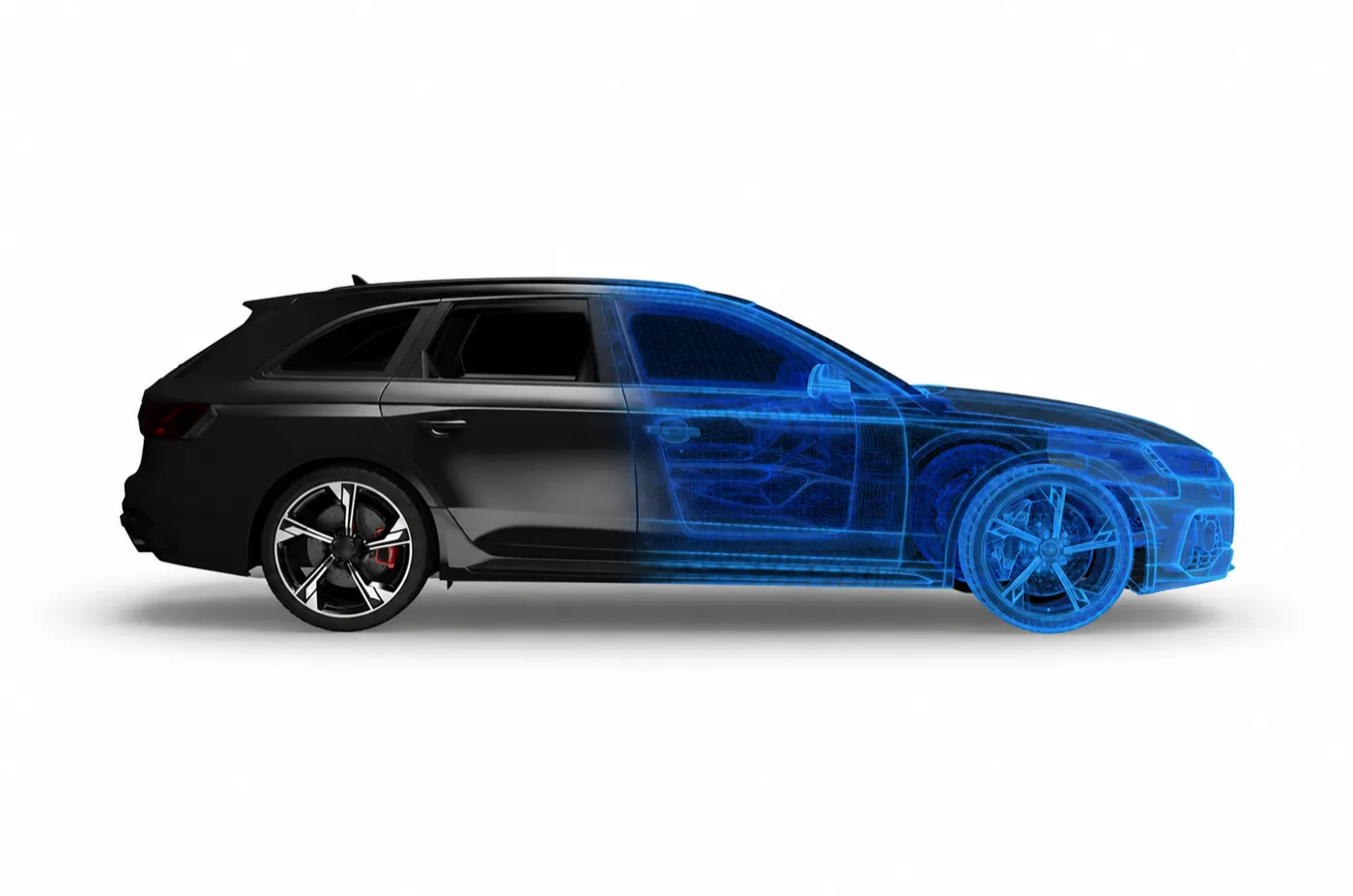
$300 per camera at a service center, static or dynamic. If your car's procedure needs both, it's $500.
Prices are before sales tax, and the windshield isn't included. A diagnostic scan, when your job needs one, is priced and itemized separately.
See what the diagnostic scan covers and the full ADAS calibration price list.
Yes, if your car has a windshield camera. On most cars it moved with the glass, and an off-aim camera may show no warning.
A quiet dash proves nothing. A calibration report from the glass shop does.
No camera above the mirror means no calibration, and the VIN shows whether your car has one.
More on calibration after windshield replacement. Warning on, no glass work? Start with the warning lights guide.
Some glass shops calibrate in house; some pass it on. Ask before the job, and for the calibration report afterward.
If the shop didn't calibrate, or the calibration wouldn't finish, send the VIN and what happened.
The car still drives. But lane keeping, collision warning and automatic braking may misread the road until the camera is re-aimed.
Treat them as unreliable. Lane keeping can be switched off meanwhile, by button or settings menu, depending on the car.
Book it soon after the glass work.
Yes, where your car's procedure allows. Dynamic calibration runs on the road, so it can be done as a mobile visit.
Static calibration needs a level, lit, measured space, so whether your job can be done mobile depends on what your car's documented procedure calls for.
A mobile calibration is $300. A car needing both methods goes to a shop bay.
Check your policy. Ask your insurer whether the calibration belongs to the glass claim, since the windshield job caused it.
Send the adjuster your written quote. The insurance guide covers the rest.
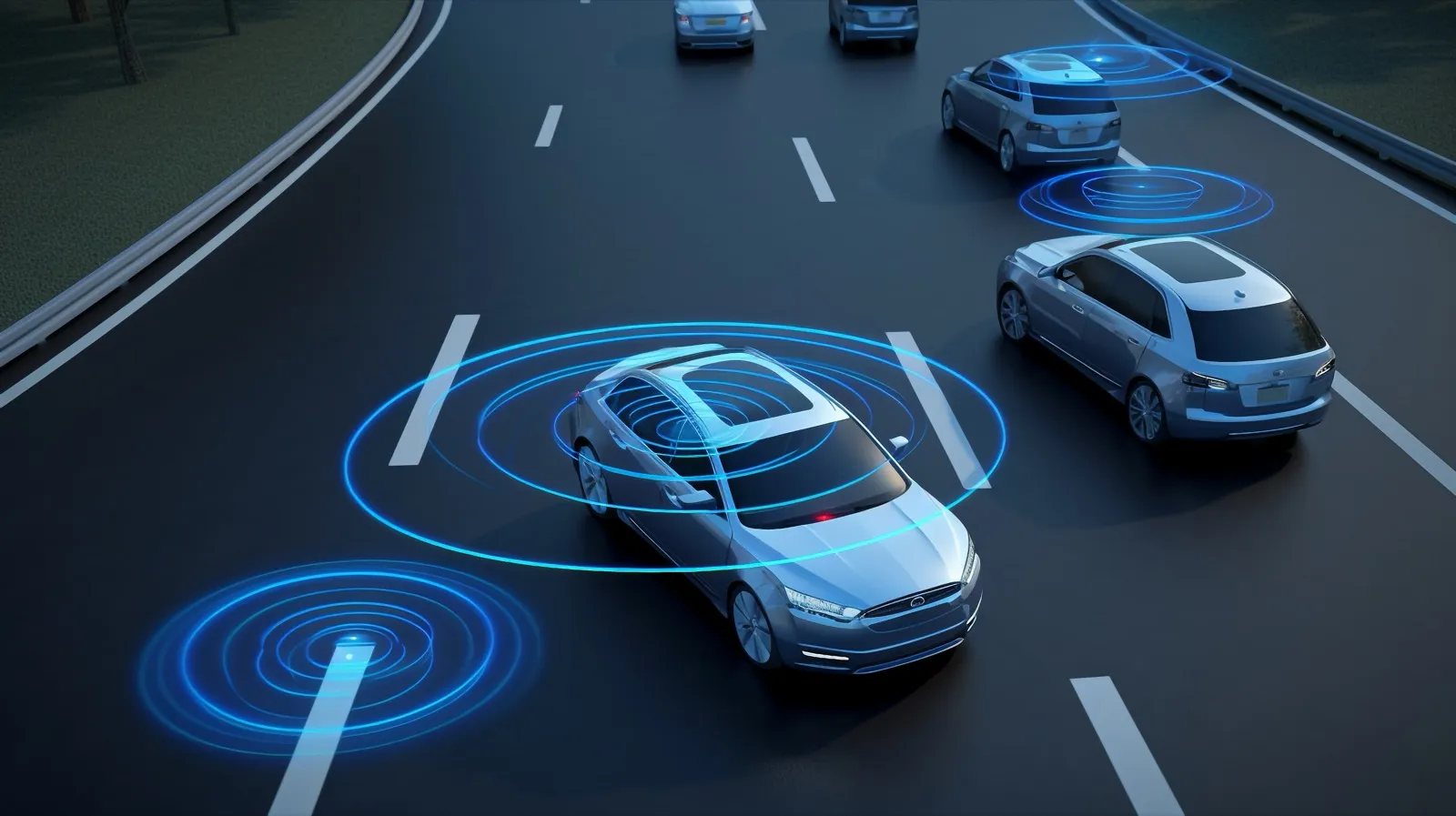
New windshield? Get the camera calibrated
Say if it was the glass or the camera, and add any printout. Your quote is confirmed in writing before anything is scheduled.
Updated