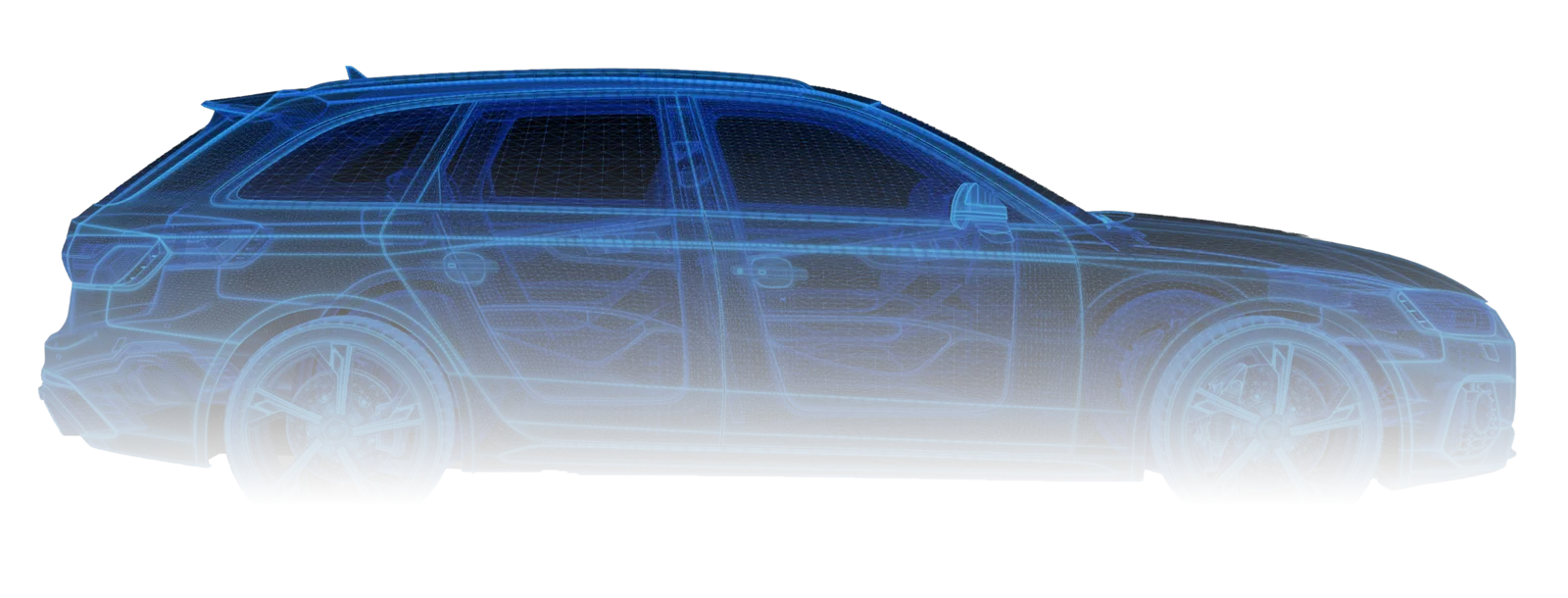
Front Radar Setup After Replacement. From $275 Per Radar, Plus Calibration.
Did the body shop put in a new front radar, and cruise control still says unavailable? We set the new radar up for your car, then re-aim it so it reads the road straight ahead, anywhere in the US. Send the VIN to start.
- Your quote is confirmed in writing before anything is scheduled.
- Calibration runs to full manufacturer specification.
- A calibration certificate after the job.
What a new front radar still needs
The front radar is the adaptive cruise control sensor, behind the emblem or low in the bumper. Automatic braking relies on it too.
Many new radars need setup before your car accepts them. Setup, also called coding, loads software or settings into the radar or the car.
Then it's calibrated, or aimed. Setup and calibration are two lines on your quote.
Your body shop, dealer or mechanic installs the radar. If the dealer already set it up, you only need front radar calibration.
What you need depends on where the job is
-
The new radar is in, but the warnings stay
Until it's set up, a new radar can stop talking to the car. Get a quote with your VIN.
-
The shop says the radar needs replacing
Ask them to check its mount before you buy one. A slightly bent bracket can make a good radar fail its aim.
-
The dealer already set it up
Then only the aim is left. That's one line on your quote: front radar calibration.
Prices after a front radar is replaced
Setup gets your car to accept the radar, and calibration aims it. The radar and installing it aren't included.
Prices are before sales tax. Whether labor is taxed depends on your state; any tax that applies is itemized on your written quote.
What happens after you send the form
- 1
Send the VIN and the radar's details
Who installed it, and whether it's new or used. Its part number helps, from the repair order or the box.
- 2
Get your written quote
Setup and calibration show as two separate prices. The job goes to the service center or mobile technician that covers your ZIP code.
- 3
The technician checks the install
They confirm it's the right radar for your VIN, seated square and plugged in. Install problems go back to the installer.
- 4
Set up, then aimed
Your car is set up to accept the radar, then it's aimed. Any scan for leftover faults is the separate scan line.
What to have ready
- Your VIN, and the car's year and model.
- The new radar: a photo of its label, and whether it's new or used.
- The installer: who put it in, plus the repair order.
- Setup so far: say if a dealer already programmed it.
- The dash: every warning, word for word.
Don't take the bumper off to find the label. The repair order usually lists the part number.
Still have the old radar? Keep it, since some cars copy its settings across.
Don't know some of it? Send what you have.
Know your new front radar
A replaced front radar must be the right part, set up, then aimed. Each tab answers one question about the swap.
A light hit can damage the front radar, since it sits up front. The case may look fine.
Have the mount checked first. A bracket bent too slightly to see can still throw the aim off.
Mount square and wheels aligned, but it still won't aim? Then suspect the radar itself.
Sources: American Honda aiming job aid, August 2025; GM Driver Assistance Systems job aid, June 2021.
Look-alike radars can differ. Honda's shop guide says: "Always order a new replacement radar unit using the VIN."
A used radar usually keeps its old car's setup. Many lock to that VIN and refuse yours.
The 2026 collision position statements from Ford and GM rule out used radars:
- Ford: salvaged or recycled sensors "are not approved for use."
- GM: "only new GM Genuine" parts, radars included, are approved for collision repairs.
Sources: Honda job aid, August 2025; Ford position statement, May 2026; GM position statement, September 2026.
Setup gets your car to accept the new radar. Depending on the car, it can mean:
- Programming: loading the radar's software.
- Coding: telling it which car and options it's in.
- Registering it to the car with a security key, on some newer cars.
- Copying settings from the old radar, if it still works.
GM's shop guide (a job aid) calls for programming a replaced long range radar before it's calibrated.
Ford's job aid says a replaced sensor "requires calibration and/or vehicle programming." Some cars need only the aim.
Sources: Ford Advanced Drive Assist Systems job aid, September 2026; GM Driver Assistance Systems job aid, June 2021.
Each automaker sets its own order of steps. The aim itself is on our front radar calibration page.
| Make | After a new front radar goes in |
|---|---|
| Honda | Ordered by VIN, aimed, with its gap to the bracket checked if the aim fails |
| Chevrolet, GMC | Programmed, then calibrated with a learn routine |
| Ford | Adjusted by hand, then aligned on a drive |
| Toyota | Recalibrated, as Toyota's owner's manuals say (2026 Tacoma, for one) |
We check by VIN if your car needs setup first. Setup is its own line on your quote.
Sources: Ford job aid, September 2026; GM job aid, June 2021; Honda job aid, August 2025.
Before setup, a new radar may not talk to the car. Several warnings can show at once.
Ford's statement says an unapproved radar "may not be compatible with the software." Setup may not fix that.
After setup and the aim, a warning that stays often points to the install:
- Not fully seated: it can pass a check in the shop, then fail on the road.
- A bent bracket or a pushed-back support behind it.
- A faulty new radar. New parts sometimes arrive bad.
A scan shows what's left. Cruise control warning still there? See adaptive cruise control unavailable.
Front radar replacement questions
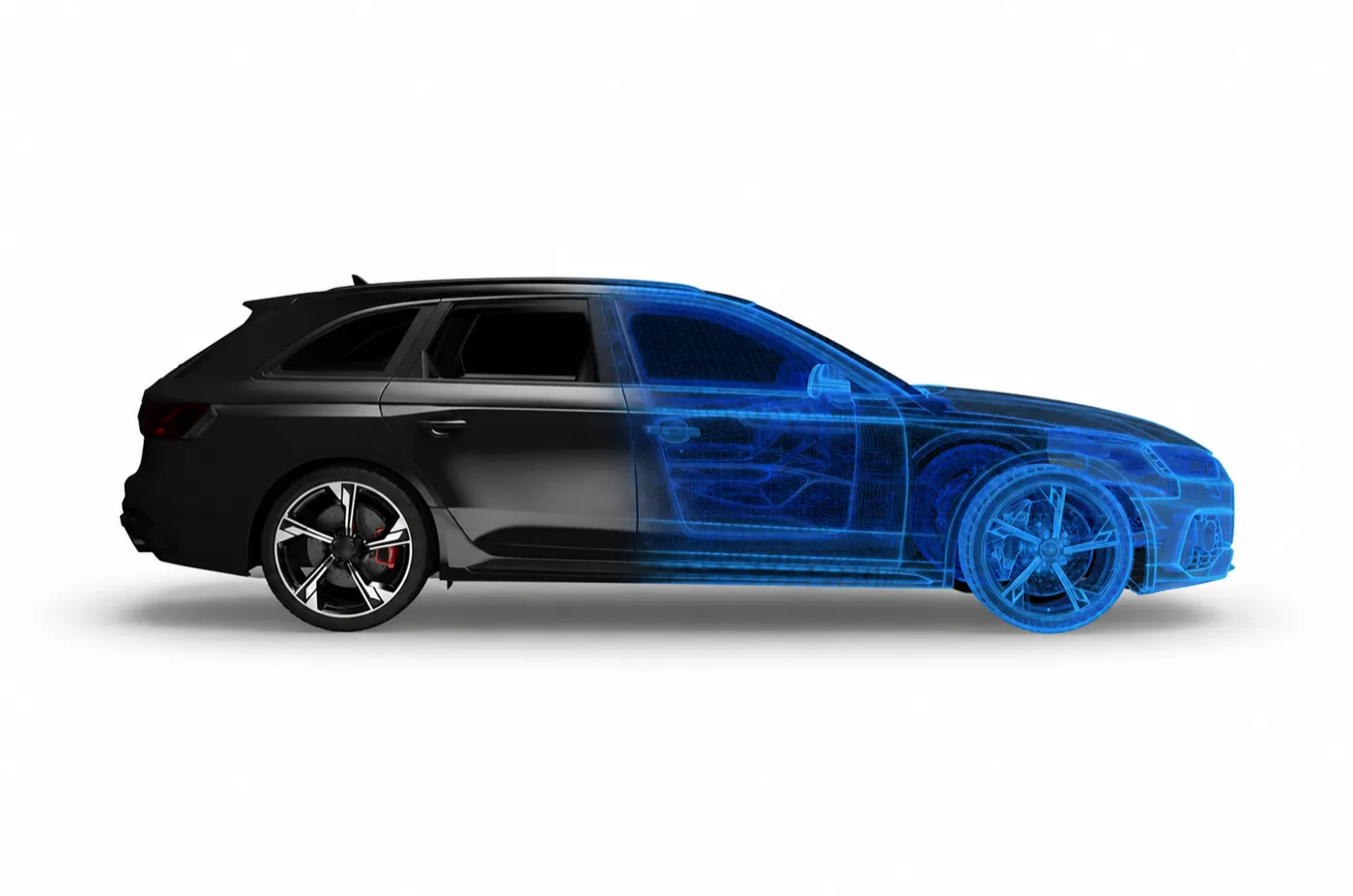
Setup is $275, then front radar calibration is $330, before sales tax. With no setup needed, you pay only for the calibration.
On a mobile visit, both prices stay the same. Dynamic calibration runs on the road, so it can be done as a mobile visit.
Static calibration needs a level, lit, measured space, so whether your job can be done mobile depends on what your car's documented procedure calls for.
A diagnostic scan, when your job needs one, is priced and itemized separately. Our pricing page lists every rate.
No. The dealer or body shop orders it by VIN, and whoever does your repair installs it.
Then we handle the setup and aim. A badly seated radar goes back to the installer first.
It's a gamble. A used radar is usually set up for its old car, and many won't take a second VIN.
Ford's and GM's 2026 collision statements don't approve used radars. Our calibration after collision repair page has other automakers' positions.
Send a label photo before you buy.
Normal steering and brakes don't depend on the radar. For the features that do, check your owner's manual.
Until the radar is set up and aimed, keep your own distance from the car ahead, and don't count on automatic braking.
It needs calibration, and often setup, or coding, first. Setup gets the car to accept the radar but doesn't aim it.
Dealer already programmed it? You still need the aim, unless their paperwork shows a calibration too.
Send the dealer's paperwork with your VIN for a one-line quote: front radar calibration.
Check your policy. If a covered collision claim paid for the new radar, ask your adjuster to add setup and calibration.
Our written quote names both as separate lines, $275 and $330. Forward it with the body shop's estimate.
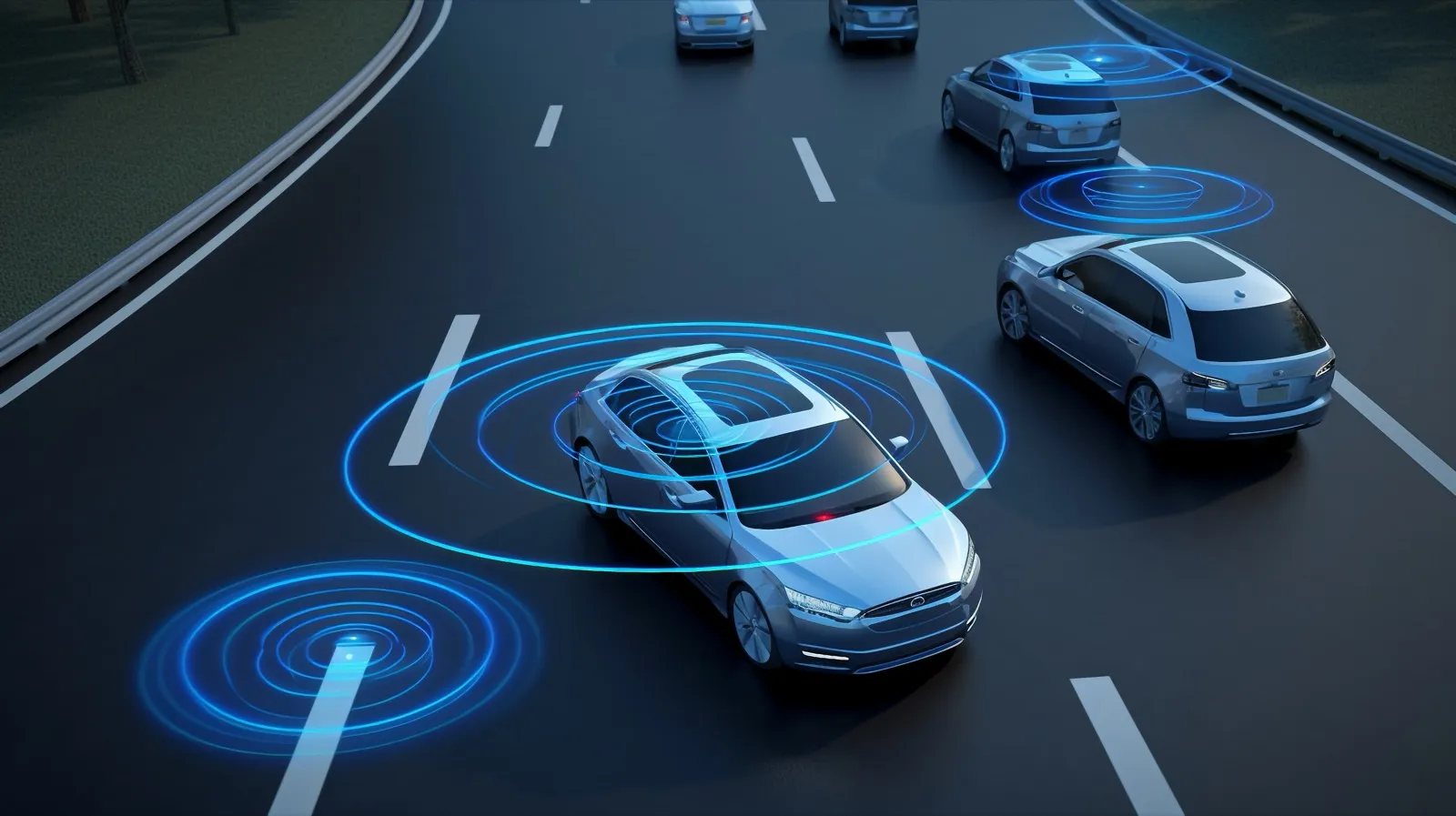
New front radar, and cruise control still off?
Tell us who installed it and whether it's new or used. Your quote is confirmed in writing before anything is scheduled.
Updated