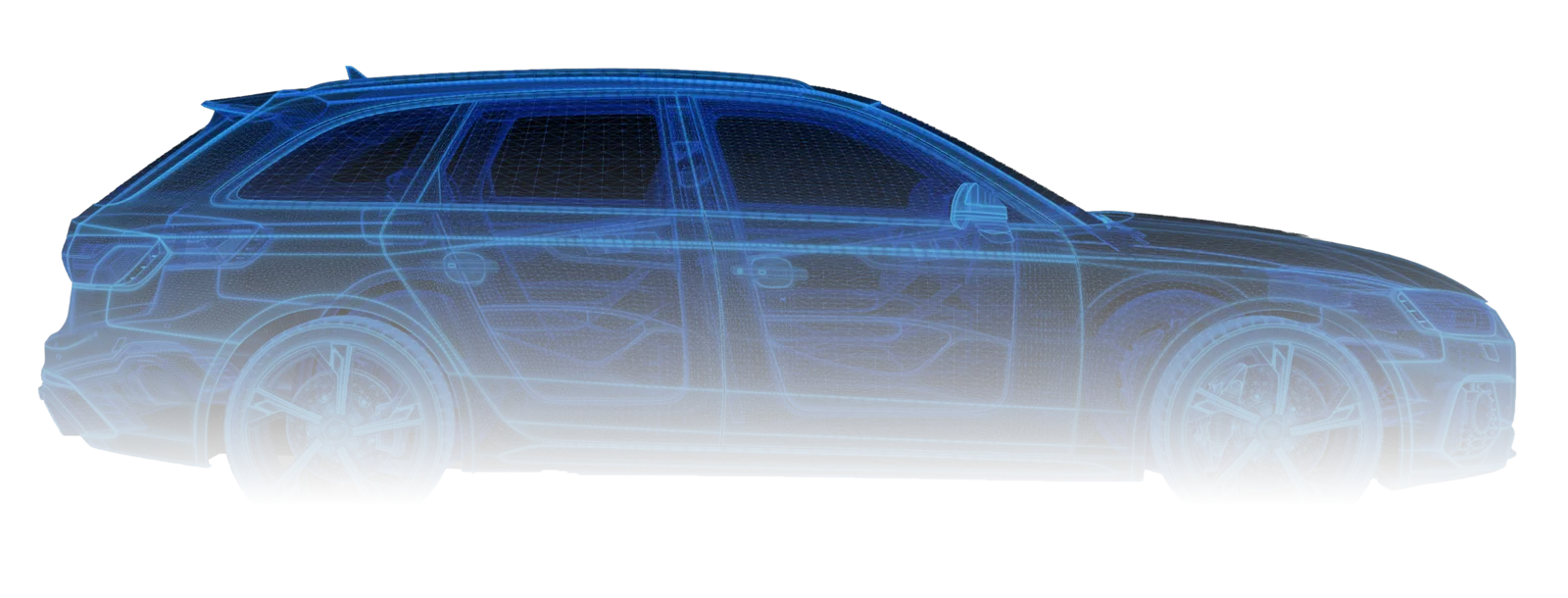
Parking Sensor Calibration. From $240 Per System.
Are your parking sensors beeping at nothing since the bumper repair, or did the body shop say they need calibrating? We check what your car's procedure calls for, often nothing, and do any setup it needs, nationwide. Send the VIN and the repair details.
- Your quote is confirmed in writing before anything is scheduled.
- Calibration runs to full manufacturer specification.
- A calibration certificate after the job.
Does your car need parking sensor calibration?
Often not. After a bumper repair or a new parking sensor, many cars need nothing.
The small round discs in your bumper are ultrasonic sensors. They warn you as you near something.
Calibration checks each sensor sits at its set angle and your car recognizes it. It can't fix a cracked one.
Cars that need one get:
- a scan-tool reset, from a computer plugged into the car
- an in-shop check of each sensor's aim, side to side and up and down
- or each sensor's angle measured
Send your VIN to learn which yours needs. If it needs none, there's no calibration to pay for.
Which of these brought you here?
-
The bumper was repaired or replaced
The sensors came out with it. Fords then get a shop check, and many cars need nothing. Tell us if the cover is new.
-
A parking sensor was replaced
A few GM models need a scan-tool reset after a new sensor. A used or wrong part may not work at all.
-
They beep at nothing, or stay silent
Clean them and check the parking sensor button first. Still wrong? It's often a loose clip or wire, and we help you find which.
Parking sensor calibration prices
One price, whichever setup your car needs. Front and rear may be one job or two, so send your VIN for your exact total.
Prices are before sales tax. Whether labor is taxed depends on your state; any tax that applies is itemized on your written quote.
What happens after you send the form
- 1
Send the VIN and the repair
The VIN shows which parking sensors your car was built with. Add which bumper was worked on and whether a sensor was replaced.
- 2
We look up your car's steps
We check what your car's maker lists after that repair. Many list nothing for the sensors, and then that's our answer.
- 3
Get your written quote
Your quote comes from the service center or mobile technician covering your ZIP code. It's scheduled only once you say yes.
- 4
Checked, set up, then tested
Each sensor's clip, plug and stored faults are checked first. Then comes the setup your car's procedure lists, and every sensor is tested.
What to have ready
- Your VIN, and whether the front sensors, the rear ones or both act up.
- The bumper work: which bumper, and if the cover is new, repaired or repainted.
- Any new sensor: new or used, and who installed it.
- Anything near the sensors: a tow hitch, bike rack or plate frame.
- What you notice: constant beeping, silence, or the exact words on the dash.
Nothing to take apart, no codes to clear. Send what you know.
Know your parking sensors
Most parking sensor faults after body work aren't about aim. Rule out the simple causes first, then see what your car's maker lists.
Start with the simple causes. A setup won't fix any of them.
- Dirt: snow, ice, mud or dirt on a sensor.
- Accessories: anything put on or around the sensors, like a bike rack or hitch.
- Settings: sensors can be switched off, and then detect nothing, even after a setup.
- Wiring: a loose plug or pinched wire after body work. One fault can silence the whole line.
No code may set, so a clean scan proves little. Wiring and clip faults go back to the body shop.
A light on the dash? See what ADAS warning lights mean.
Source: 2023 Acura MDX owner's manual.
Each sensor is an ultrasonic disc in the bumper. It sends a sound pulse and times the echo.
GM fits 3 or 4 at the rear, or up to 12 front and rear. Some also use them to brake in reverse.
Nearby parts aren't parking sensors. Each has its own page:
- Blind spot alerts use radar in the rear corners: blind spot radar calibration.
- The overhead view uses cameras: 360 camera calibration.
- The rear picture on your screen: backup camera calibration.
GM calls them park assist sensors. Its scan-tool reset is a learn. Here's what three automakers put in writing:
| Make | What's listed |
|---|---|
| Chevrolet, GMC, Buick, Cadillac | No learn for most. A new sensor needs one on the 2013+ Spark, 2017+ Cruze, 2018+ Equinox and Terrain, and Envision |
| Ford | In-shop aim checks after a new or removed sensor or bumper cover off. Corners: side to side only. |
| Honda, Acura | Its aiming job aid covers radars and cameras only. For parking sensors, we look up your model's service information. |
On other cars, the steps differ. Send your VIN and we'll check yours.
Sources: GM driver assistance job aid, June 2021; Ford ADAS job aid, September 2026; Honda aiming job aid, August 2025.
A sensor reads from where its clip holds it. Seating, angle and paint all change what it reads.
What Infiniti and Toyota say about position and seating:
- Infiniti's position statement, on the bumper cover: the sensors "are engineered to be in very exact positions within the bumper fascia."
- Toyota's tech tip (2014 Tundra, steel bumpers): the sensor's clip, its retainer, "must be installed straight and fully seated onto the sensor."
- Toyota's Tundra bulletin (2014 to early 2017, steel bumper sensors): spacers and new clips, then a function check.
Sources: Infiniti bumper fascia with sonar position statement, September 2016; Toyota bulletin, September 2017; Toyota tech tip, March 2014.
At the job, in this order:
- A diagnostic scan, if your job needs one.
- A check of each sensor's clip, plug and face.
- Any setup your car's procedure lists, such as a Ford's in-shop aim check, side to side and up and down.
- A test of every sensor, front and rear.
A cracked sensor or broken wire is a repair. Send your VIN to see your car's steps.
Sources: GM driver assistance job aid, June 2021; Ford ADAS job aid, September 2026.
Parking sensor calibration questions
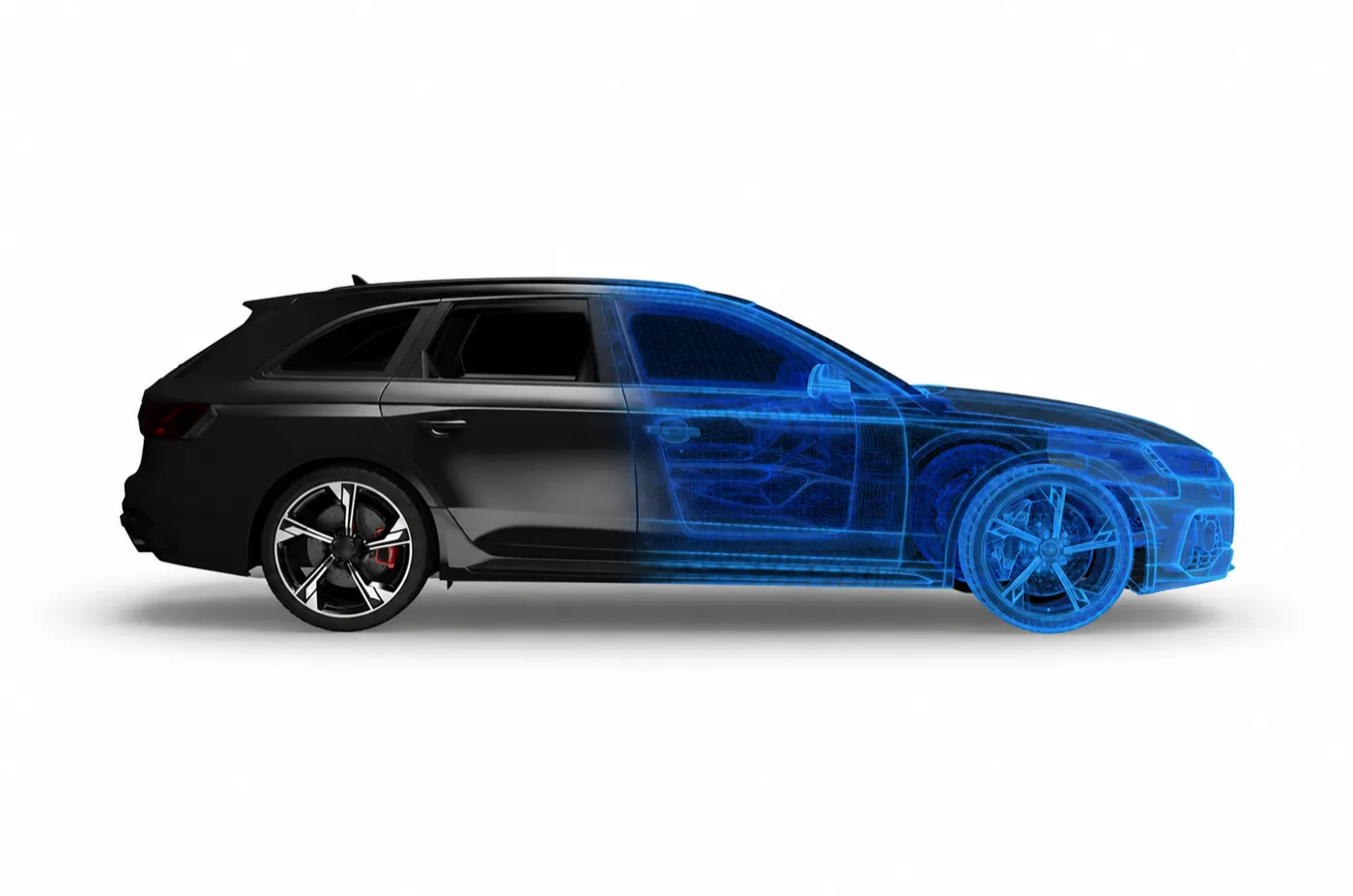
Parking sensor calibration is $240 at a service center, whatever setup your car needs. Front and rear may be one job or two.
New sensors, bumper work and wiring repairs cost extra. A diagnostic scan, when your job needs one, is priced and itemized separately.
Every calibration row is on the price list. Prices are before sales tax.
Often not. Many cars need nothing after the sensors move to a new cover.
On a Ford, two in-shop checks follow when the bumper cover comes off. On some other cars, each sensor's angle is measured.
Send the VIN and we'll tell you which applies. More on calibration after collision repair.
Yes, the car drives normally. But the beeps won't warn you, and any automatic braking that uses the sensors in reverse may not work.
Look around the car yourself before you back up. Many cars let you switch false beeps off.
Yes, where your car's procedure permits. Dynamic calibration runs on the road, so it can be done as a mobile visit.
Static calibration needs a level, lit, measured space, so whether your job can be done mobile depends on what your car's documented procedure calls for.
A mobile visit is $240. A Ford's checks need a shop. Your quote says if yours can be mobile.
It can, if a covered collision caused it. Ask your insurer whether the sensor work belongs to that claim.
Ask the body shop to put it on the repair estimate, and send the adjuster your written quote.
Then the setup isn't the cause. A tilted clip, a pinched wire, thick paint or the wrong part can each do it.
You hear what was found, sensor by sensor. Clip and wiring fixes go to the body shop.
A rerun, if needed, is quoted in writing too.
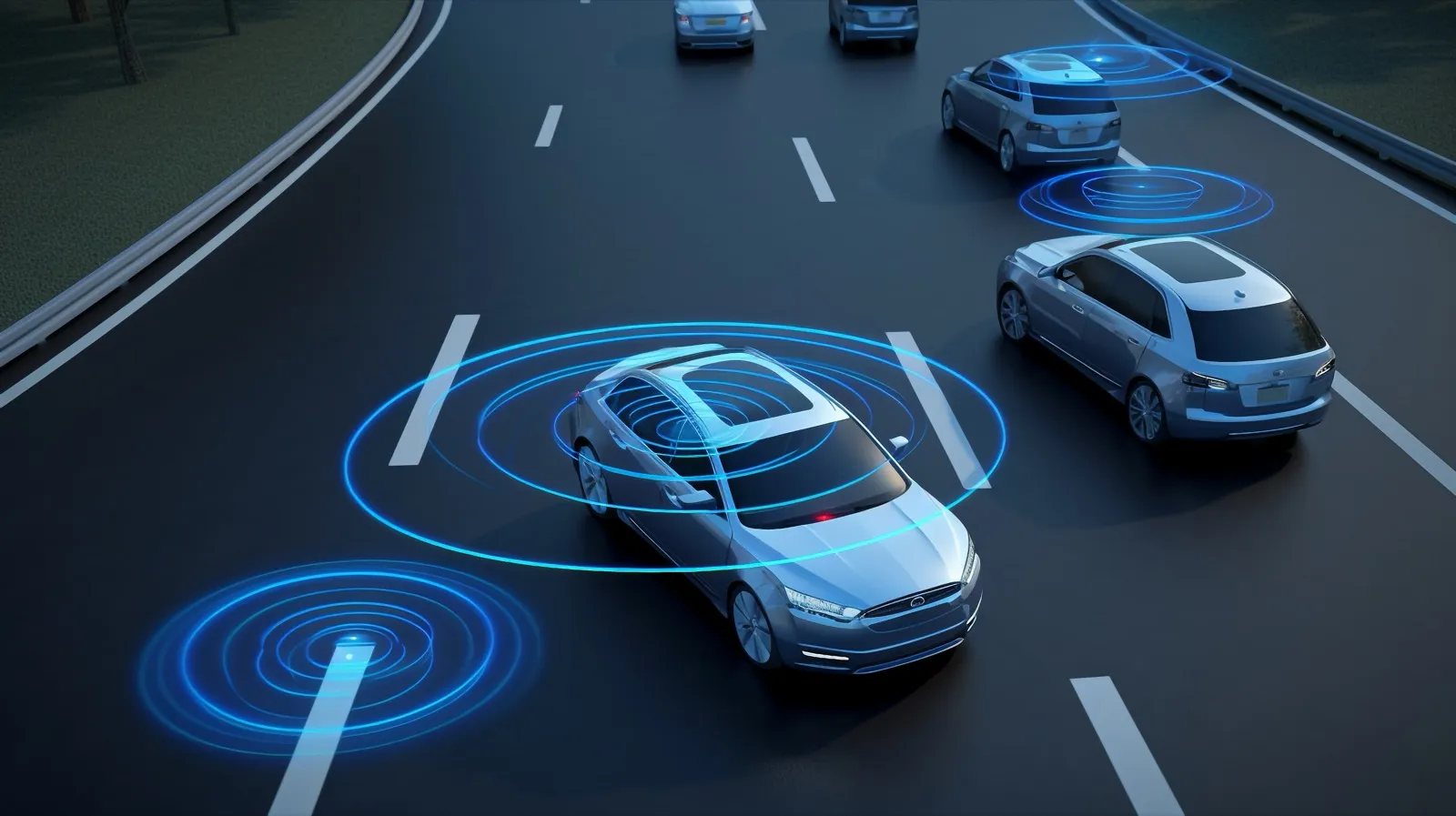
Bumper work or a new parking sensor?
Send the VIN and tell us which bumper had the work. Your quote is confirmed in writing before anything is scheduled.
Updated