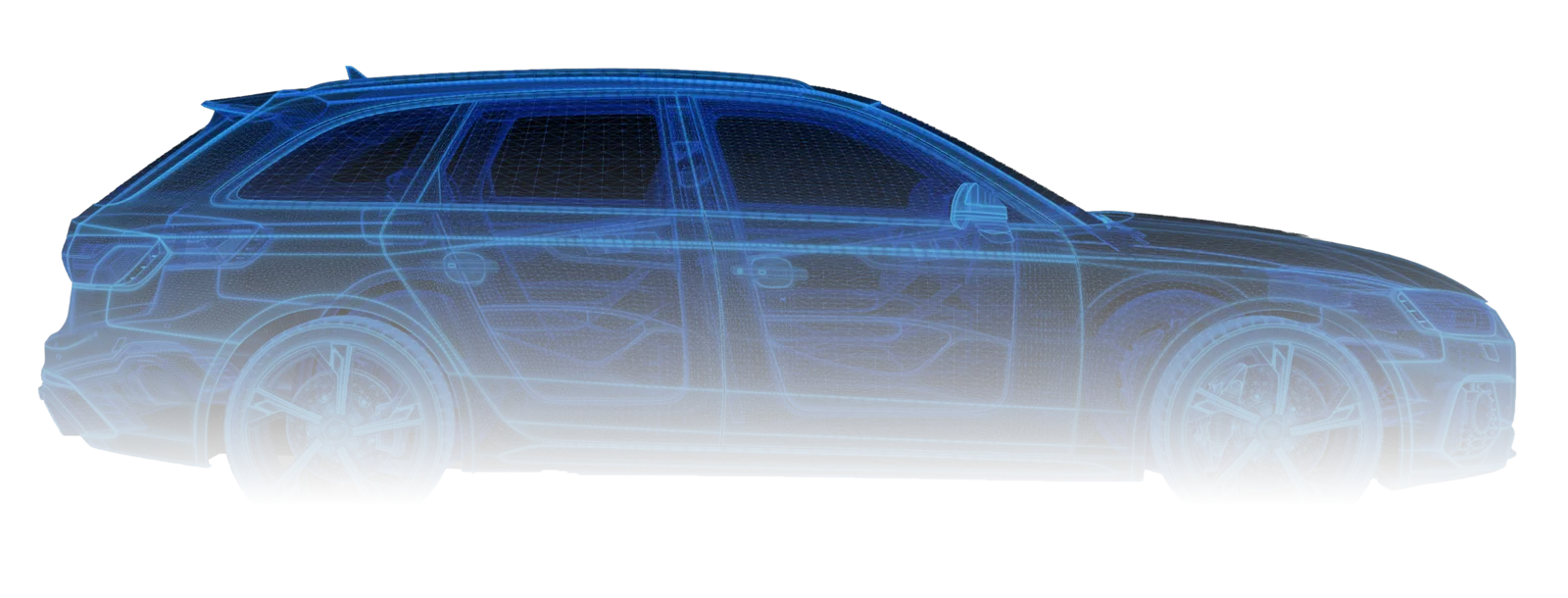
Blind Spot Radar Setup After Replacement. From $275.
Did the body shop install a new blind spot sensor that now needs calibrating? We get it working with your car and, where needed, re-aim it to watch the lanes beside you, anywhere in the US. Send the VIN and the repair order.
- Your quote is confirmed in writing before anything is scheduled.
- Calibration runs to full manufacturer specification.
- A calibration certificate after the job.
What setup after replacement does
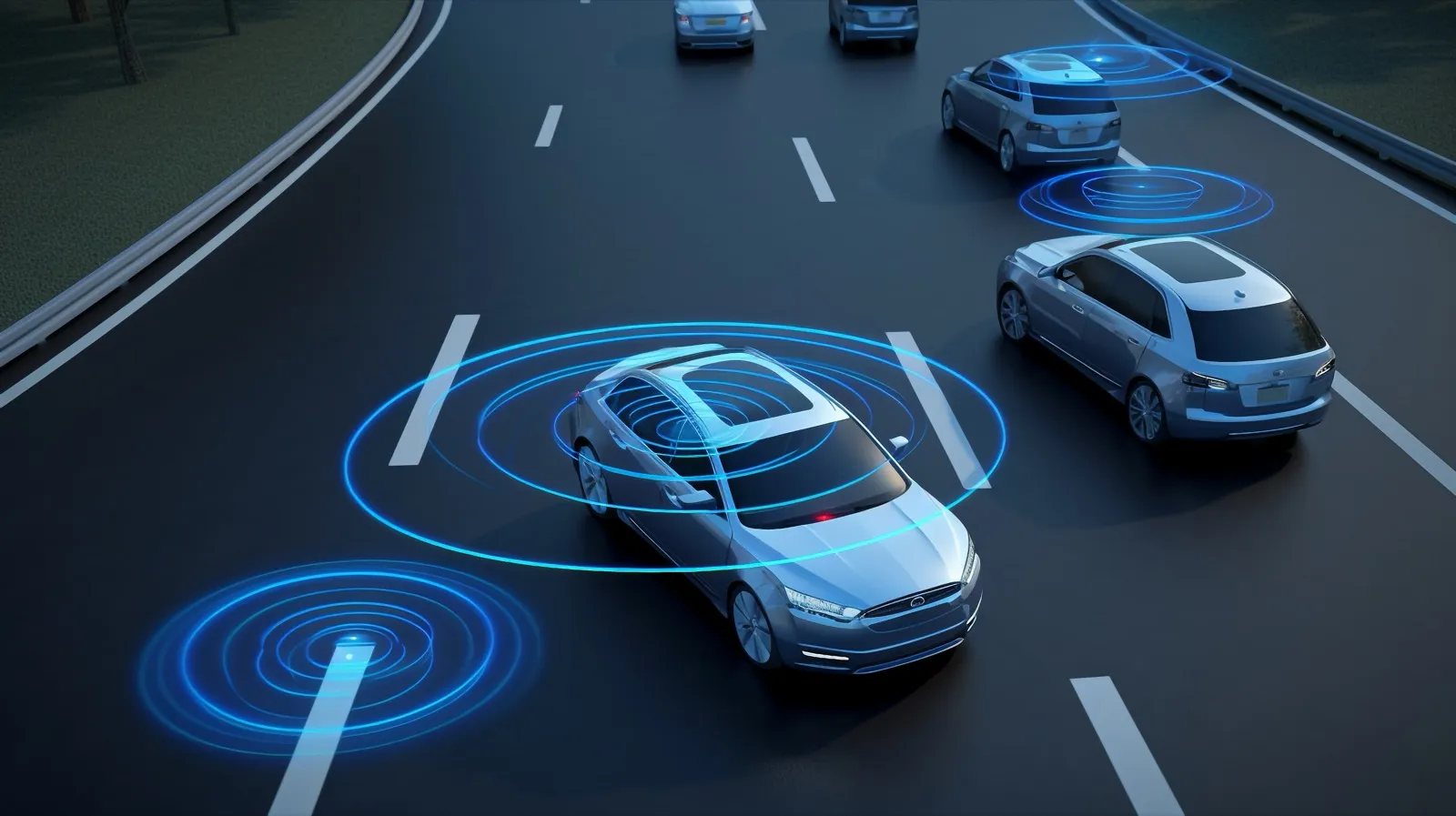
The blind spot radars, often called blind spot sensors, sit in your car's rear corners. They light the warning on or near your mirrors.
Most new radars need your car's details loaded before they work. That's setup, or coding.
Calibration re-aims the radar to watch the lanes beside you. Some cars need only that, and then setup isn't on your quote.
The body shop, dealer or your mechanic installs the radar. We set it up and calibrate it, priced separately.
Same radar put back after bumper work? It needs blind spot radar calibration only.
Which one sounds like yours?
-
The new radar is in, but the warning isn't gone
It's bolted in and plugged in. Most cars still need setup, aiming or both before the warning clears.
-
Only one side was replaced
A new radar can clash with the older one on the other side, since the two work as a pair. A diagnostic scan of saved codes shows which.
-
You bought a radar, new or used
Some makers allow only new radars, as calibration after a collision repair explains. The radar's label has to show the right side and version.
Prices after a radar is replaced
Setup makes the radar work with your car; blind spot radar calibration aims it. Your quote lists them separately, without the radar or its installation.
Prices are before sales tax. Whether labor is taxed depends on your state; any tax that applies is itemized on your written quote.
What happens after you send the form
- 1
Tell us which side was replaced
The side, the VIN and the repair order are enough to start.
- 2
Get your written quote
Setup and calibration are separate lines. The service center or mobile technician that covers your ZIP code does the work.
- 3
The new radar is checked
We check it's the right part, seated on its bracket. Then we check it talks to the car. Install faults go to the installer.
- 4
Set up and aimed, as your car needs
We load your car's details where it needs them, then aim the radar the way its maker sets. If a step won't finish, you hear why.
What to have ready
- Your VIN, and the car's make and year.
- Which side: left, right or both radars replaced.
- The radar: new or used, with a photo of its label.
- The installer: who put it in, and the repair order.
- Any warning: what the dash says, word for word.
Leave the radar plugged in and the codes stored, so the scan sees what happened.
Missing something? Send what you have.
Know your new blind spot radar
A replaced blind spot radar must be the right part. Then, depending on the car, it's set up, aimed, or both.
Left and right radars are usually different parts. One for the wrong side can plug in and still fail.
Before it goes in, check the new radar against the old one:
- The side, left or right.
- The version printed on its label, beside the part number.
- The supplier named on the label. One part number can come from two suppliers.
- New or used. A used radar holds another car's setup.
Ford, GM and Nissan approve only new radars. Ford's statement says recycled or salvaged sensors "are not approved for use":
- They "have not been validated by Ford."
- They "may not be compatible with the software or the other sensors on the vehicle."
Sources: Ford collision position statement, May 2026; GM collision position statement, September 2026; Nissan collision position statement, January 2026.
Most new radars need setup. Ford's statement says these modules are "programmed with vehicle-specific software and configurations."
Depending on the car, setup can mean:
- Programming, where the new radar needs its software loaded.
- Coding it to the options your car was built with.
- Copying the old radar's saved aim into the new one, if the old one still works.
GM's job aid says programming "is required after replacement." Then the radar learns its aim as you drive.
Sources: Ford collision position statement, May 2026; GM job aid, June 2021.
Once the new radar knows your car, most makes aim it. The blind spot radar calibration page explains how.
| Make | After a new radar goes in |
|---|---|
| Honda | The mount is checked if the old radar was damaged, then the new one is aimed or, on some newer models, re-learned |
| Ford | A corner radar alignment, run on a drive |
| Hyundai | On some 2019 Elantras, the mounting angles are measured, then it's calibrated with the dealer software |
| Nissan | A calibration after any driver assistance part is replaced |
| Chevrolet, GMC | GM's job aid sets no aim: the radar learns as you drive |
Sources: Honda job aid, August 2025; Hyundai bulletin, October 2019; Ford job aid, September 2026; Nissan statement, January 2026; GM job aid, June 2021.
The two radars work as a pair, one often leading. On some cars a new one clashes with the older one.
Then the fix can be replacing the older radar too. Get a diagnostic scan before buying one.
A warning on both sides doesn't prove both failed. The scan shows if it's setup, wiring or the part.
Sometimes the maker replaces both. Hyundai's October 2019 bulletin does that on some 2019 Elantras.
Sources: Hyundai service bulletin, October 2019.
A new radar won't fix bad wiring. For some wiring codes, Hyundai's 2021 bulletin says to "check the wiring harness connections" first.
After setup, a warning that won't clear often points to the install:
- Wrong side, backwards or upside down.
- Not fully seated on its bracket tabs.
- A damaged plug or wire near the repair.
- A new radar that arrived faulty.
The scan shows which. If the light says unavailable, blind spot monitor unavailable covers other causes.
Sources: Hyundai service bulletin, August 2021.
Blind spot radar replacement questions
Your total has four parts: the radar, installing it, setup and calibration. We charge for the last two, plus a diagnostic scan when the job needs one, all listed on our pricing page.
Setup, where your car needs it, is $275. Calibration, if your car's maker sets one, is $330. Both are before sales tax, where your state charges it on labor.
A diagnostic scan, when your job needs one, is priced and itemized separately.
No. The dealer or body shop supplies the radar, and they or your mechanic install it.
Ask them to order it by VIN and side. Once it's in, we set it up and calibrate it, as your car needs.
Ford, GM and Nissan don't approve used radars, so on those makes, ask for a new one. Other makes vary.
A used one still holds its old car's setup. Send its part number and a label photo first.
If it won't take setup, the technician tells you why.
Not automatically. On some cars a new radar won't work with the older one, and then the older one is replaced too.
A diagnostic scan shows whether that's the problem. Don't buy a second radar until it does.
Yes, the car drives normally. But the blind spot warning may not work, so check your mirrors and look over your shoulder.
On many cars the rear cross traffic warning uses the same radars. Don't count on it when backing out either.
Check your policy. If the radar was replaced in a covered collision repair, ask the adjuster whether setup and calibration go on that claim.
Send the adjuster your written quote. It shows both lines.
New blind spot radar installed?
Tell us which side got the new radar and add the repair order. Your quote is confirmed in writing before anything is scheduled.
Updated