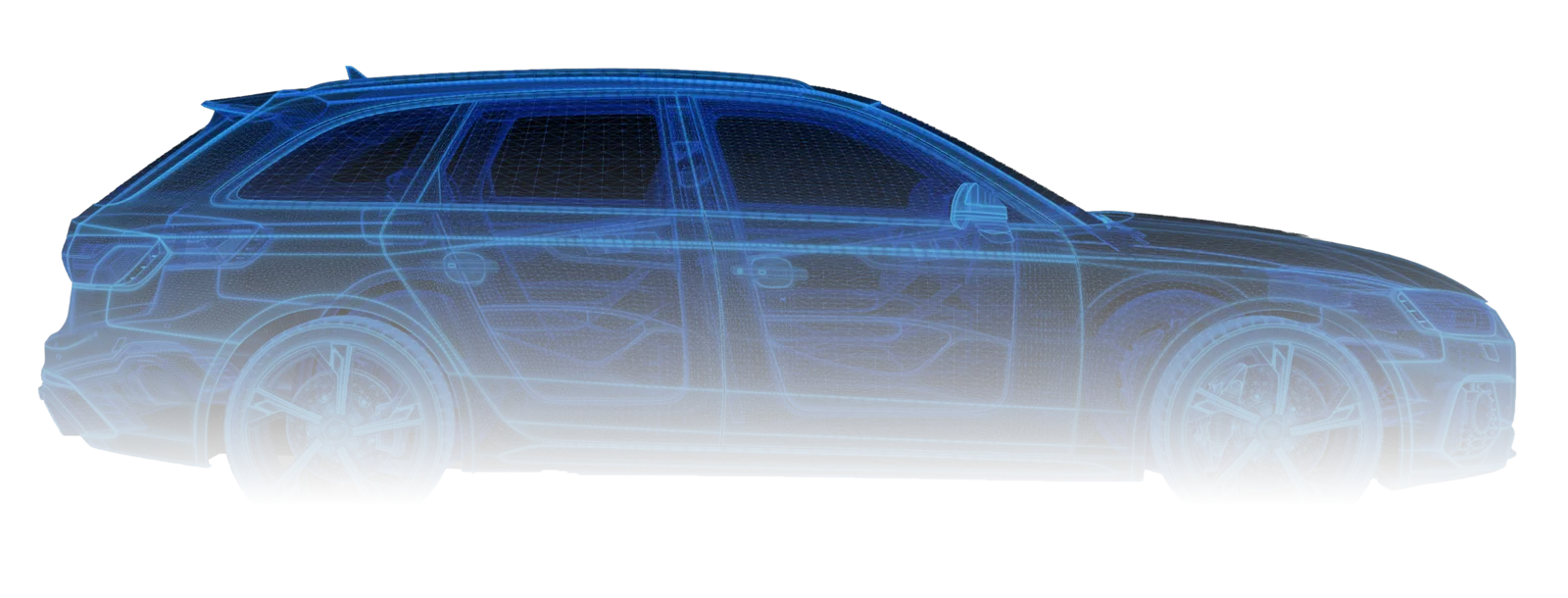
ADAS Calibration After Windshield Replacement. From $240 Per System.
Did the glass shop say your car needs calibration after the windshield replacement? We re-aim the camera on your new glass until it reads the road straight, at service centers across the US. Send the VIN and what the glass shop told you.
- Your quote is confirmed in writing before anything is scheduled.
- Calibration runs to full manufacturer specification.
- A calibration certificate after the job.
Is it safe to drive meanwhile?
Usually, yes, if you drive as if the assist features are off.
Until it's re-aimed, the camera may misread the road without warning. That can affect:
- lane keeping (switch it off if it tugs the wheel)
- collision warning and automatic braking
- adaptive cruise control
Ready to book? Send your VIN and we'll call you back.
Source: Honda 2019 CR-V owner's manual.
What causes it: new glass moves the camera
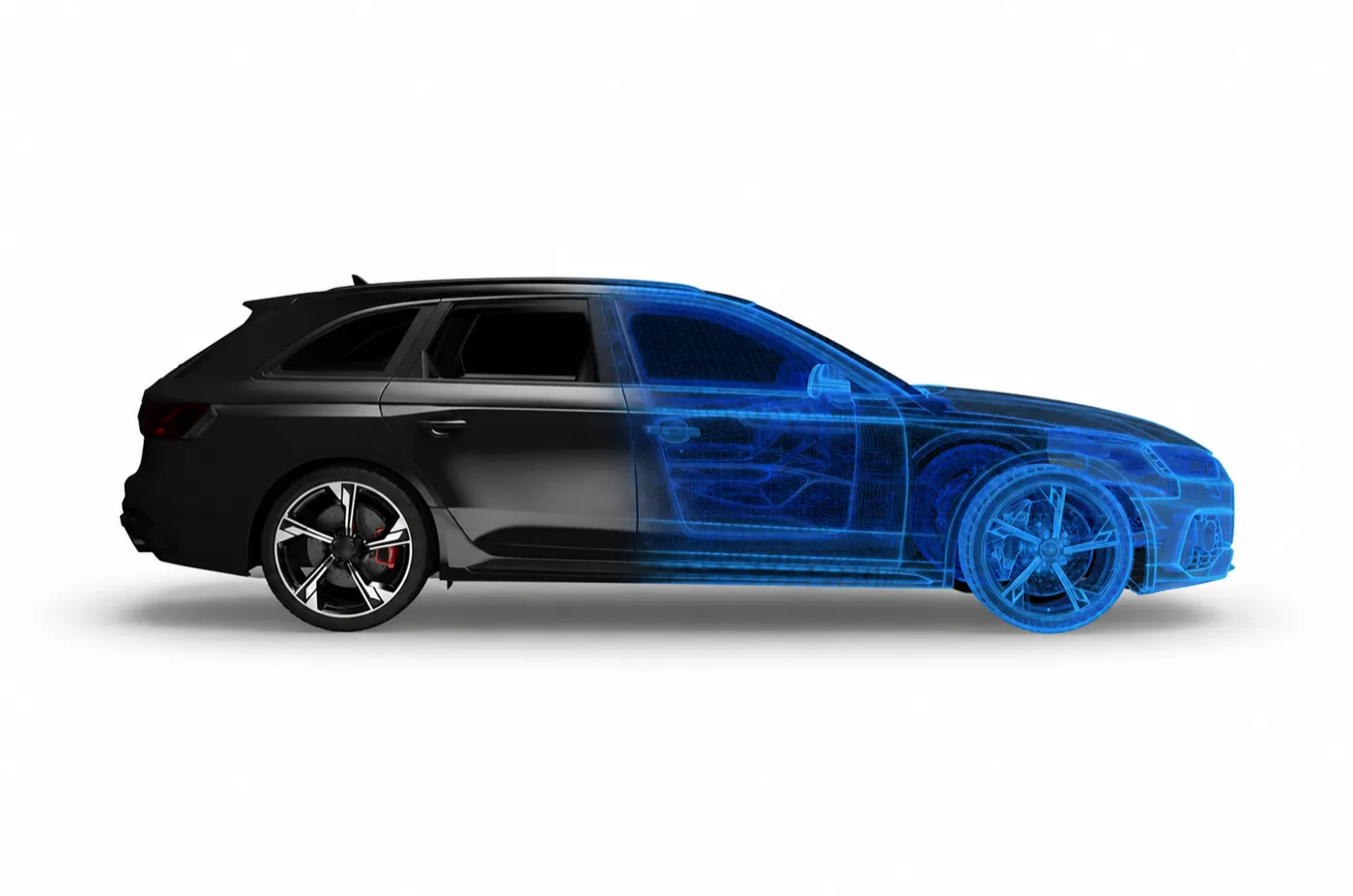
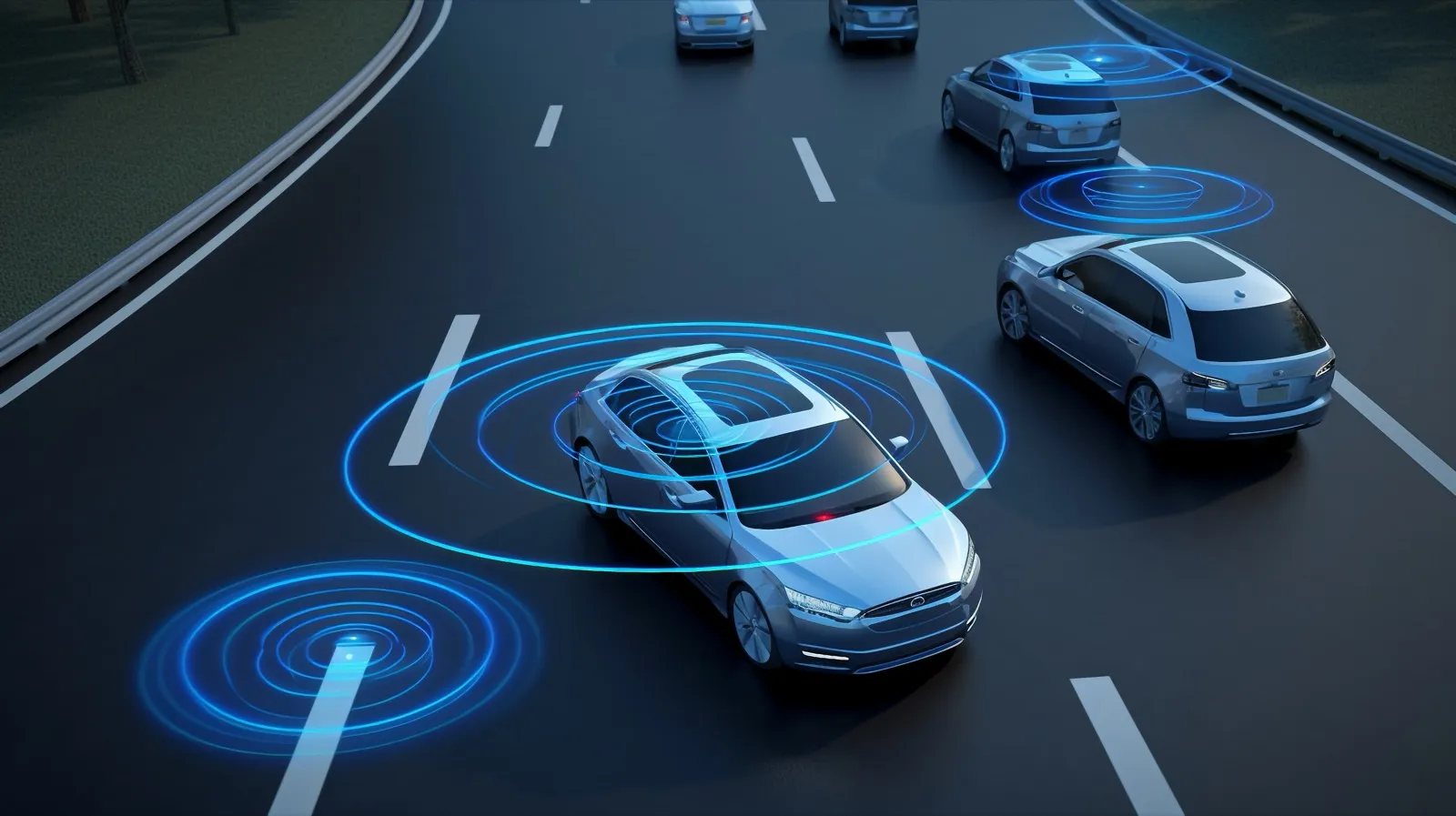
On most cars, lane keeping and automatic braking use a camera high on the windshield. It sits in a bracket bonded to the glass.
New glass means a new bracket and a slightly different angle. The camera still works, but reads the road a little off.
Calibration fixes that. It re-aims the camera so it sees the road straight. These jobs usually mean one:
- New windshield: the camera moves with the glass.
- Glass taken out and put back: even the same windshield, reinstalled.
- Camera unclipped or replaced: a new camera may also need setting up for your car (coding), where the automaker's steps include it.
No windshield camera, no calibration. Check the glass behind the mirror, or send us your VIN.
What to ask the glass shop
Ask before the job, or check now if the glass is already in. The answers decide who calibrates.
- Does my car have a windshield camera? Look behind the mirror, or check the VIN.
- Who calibrates it? The shop, or a calibration shop like us.
- Which glass goes in? Genuine or aftermarket, with the bracket on it.
- What do I get after? A calibration report with the result, or notice it wasn't done.
Arizona and Florida make the shop say whether calibration is required.
Sources: Arizona Revised Statutes 20-463.02; Florida Statutes 559.920.
Calibration prices after new glass
New glass usually means front camera calibration. A replaced camera may also need coding.
Calibration, per system
Coding a replaced part to your vehicle
Diagnostic scan
- Same price on a mobile visit, except rows marked Shop bay only.
- Prices are before sales tax. Whether labor is taxed depends on your state; any tax that applies is itemized on your written quote.
- Dynamic calibration runs on the road, so it can be done as a mobile visit. Static calibration needs a level, lit, measured space, so whether your job can be done mobile depends on what your car's documented procedure calls for.
- Rows marked Shop bay only are done in a shop bay. The bay-and-road camera price applies when your car needs both calibrations.
Start with your warning, repair or car make
Still seeing a warning, or had more than the glass done? Start here.
By warning
-
Forward collision warning light
On since the glass job? Why it can clear by itself.
By repair
-
Collision repair
Bumper or grille work too? That can move a sensor.
By make
-

Honda
Camera and radar by model year, priced per system.
-

Toyota
What the manual says, by Safety Sense version and model.
-

Subaru
Two cameras behind the glass, so the glass matters.
-

Nissan
A wheel alignment can call for it too.
-

Chevrolet
One windshield camera runs Safety Assist. What its messages mean.
-

Ford
Camera, grille radar and corner radars: which repairs need what.
Know your new windshield
New glass means the camera needs calibrating, and the documents below say so. Each tab gives the detail and its source.
These documents tie the calibration to the glass job itself. None of them waits for a warning light.
- Toyota 2023 RAV4 manual: once the glass is replaced, "the front camera must be recalibrated."
- Honda 2019 CR-V manual: after new glass, "have a dealer recalibrate the camera."
- GM windshield statement, 2026: calibration is "critical" when "the windshield itself is removed and replaced."
- Ford glass statement, 2025: lists "ADAS recalibration after windshield replacement."
A dealer isn't the only option. Any shop that calibrates to the automaker's procedure can do it.
Sources: Toyota RAV4 manual, 2023; Honda CR-V manual, 2019; GM windshield statement, September 2026; Ford glass statement, October 2025.
A camera that moved with the glass may set no warning at all. It reads the road off-aim.
On glass not installed to GM specifications, the 2020 Equinox manual says the systems:
- "may not work properly"
- "may display messages"
- "may not work at all"
A message may show or not. Ask for the calibration report before you pay. It's the test.
Glass taken out and put back counts too. So does a camera unclipped from its bracket.
- Toyota bulletin, 2017: listed models need the camera re-aimed when glass is "replaced or removed and installed."
- GM windshield statement, 2026: the same for a camera "removed, reinstalled, or replaced."
Toyota's list includes the 2016 and 2017 RAV4, Prius and Avalon. It adds the 2017 Corolla and Highlander.
Chips count too. The 2019 CR-V manual says "even minor repairs" in the camera's view can upset it.
So a chip there usually calls for new glass rather than a repair.
Sources: Toyota bulletin, February 2017; GM windshield statement, September 2026; Honda 2019 CR-V owner's manual.
Arizona and Florida put the glass shop's duties in law. They start with one question: is calibration required?
- Arizona: the shop must tell you whether calibration is required.
- Arizona, if it failed or wasn't done: the shop tells you and your insurer where to go.
- Florida: written or electronic notice of whether calibration is required.
A model act from state insurance lawmakers goes further. It binds no shop until a state adopts it.
Under it, if calibration fails, the shop advises you "not to rely on the advanced driver assistance systems."
Sources: Arizona Revised Statutes 20-463.02; Florida Statutes 559.920; NCOIL model glass act, April 2025.
A calibration that won't complete leaves the camera off-aim. Treat the assist features as off until it's done.
Get the failure in writing from whoever ran it. It goes back to the glass shop or insurer.
Aftermarket glass is the usual first suspect. Ford's glass statement says it "may not provide accurate camera position."
If so, new glass and a fresh calibration fix it.
Source: Ford glass statement, October 2025.
Questions after a windshield replacement
Yes, whenever there's a camera on the windshield. It moves with the glass, so it needs re-aiming, warning light or not.
No camera, no calibration. Check the glass behind the mirror. Send us the VIN and we check whether your car was built with one.
Teslas work differently. Once the shop resets the camera calibration, the car redoes it as you drive.
Often, yes. Safelite's own page says recalibration "may not be available for all vehicles or at all locations."
Ask when you book whether your car qualifies and what report you'll get. If it can't be done, send us the VIN.
The dealer can usually arrange genuine glass and the calibration together. A good glass shop can do the same.
Whoever does it, ask for:
- the right glass for your VIN
- calibration to the automaker's procedure
- the calibration report
Front camera calibration is $300 at a service center. It's done in the shop or on a test drive, as your car's procedure says.
If the camera itself was replaced and your car's procedure includes coding, that adds $275. Your written quote confirms it.
The glass is the glass shop's charge. A diagnostic scan, when your job needs one, is priced and itemized separately.
Check your policy first. Glass usually falls under comprehensive coverage, and insurers differ on whether calibration is part of the glass claim.
Florida and Arizona have their own windshield rules:
The glass shop's aftercare says when you can drive away, take off the tape and wash the car. Follow it while the adhesive cures.
Calibrate before you rely on lane keeping or automatic braking again. Once the report shows the calibration completed, the camera needs nothing else.
New windshield in? Send the VIN and the glass receipt
Say whether the shop calibrated the camera. Your quote is confirmed in writing before anything is scheduled.
Updated