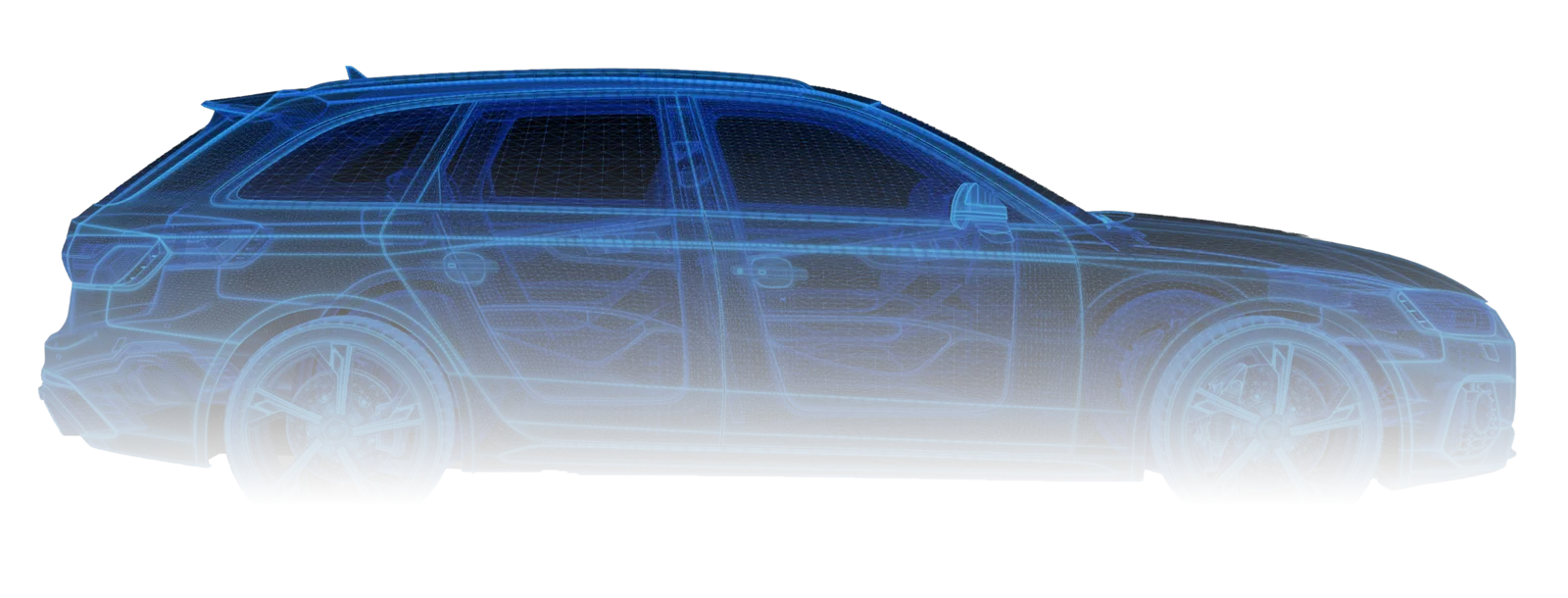
ADAS Diagnostic Scan. $115 Per Scan.
Are warning lights on with nothing done to the car, or did the body shop ask for a pre and post scan? Nationwide, we read the faults your car has stored and say what, if anything, needs fixing. Send your VIN to book the scan.
- Your quote is confirmed in writing before anything is scheduled.
- Calibration runs to full manufacturer specification.
- A calibration certificate after the job.
What a diagnostic scan does, and what it can't
A warning light tells you something is wrong, not what. Your car's camera, radar and brakes each log the faults behind it.
A diagnostic scan reads those logs through the port under the dash. Shops also call it a pre and post scan, or ADAS diagnostics.
A scan can't confirm a sensor points straight. That takes a calibration: re-aiming the camera or radar so it sees the road straight.
You only pay for a calibration the scan or the repair calls for. Send your VIN to book a scan.
Three reasons you'd book a scan
-
The body shop is about to start
A pre-repair scan records what the crash left. Honda, GM and Ford position statements call for it, so check your estimate lists it.
-
The car is back from the repair
A second scan checks every system answers and the repair added no fault. Warning on at pickup? Book the scan with us.
-
A warning came on, and nothing was done
Clean the glass by the mirror and the badge or grille first. Still on? We read what the car stored before quoting a calibration.
Diagnostic scan price
$115 for each scan, whether it's for a warning or before or after a repair. Any fix it finds is priced before it's scheduled.
Prices are before sales tax. Whether labor is taxed depends on your state; any tax that applies is itemized on your written quote.
What happens after you send the form
- 1
Send the VIN and the story
Your VIN narrows down which systems the car has. Add the warning's exact words and any recent work.
- 2
Get your written quote
Your quote for the scan comes from the service center or mobile technician that covers your ZIP code. Nothing is scheduled until you agree.
- 3
The car's computers are read
The tool asks each of the car's computers for its stored faults, and notes any that don't answer. Nothing is cleared before it's recorded.
- 4
You hear what it means
We tell you what each fault points to: a calibration, a repair, or nothing at all. Any next job is quoted before it's scheduled.
What to have ready
- Your VIN, from the dash or the door frame.
- The warning: its exact words, whether it stays on, and when it started.
- Recent work: glass, bumper, alignment, battery or parts, and whether anyone cleared codes.
- Any earlier report: a photo of another shop's scan printout is enough.
Please don't clear the codes before the visit. The stored faults are what the scan reads.
Know your diagnostic scan
A scan reads what your car's computers stored. Here's what that tells you, and what it can't.
Your car has many small computers, called modules. The camera, radar, brakes and airbags each have one.
A module that spots a bad reading stores a fault code. Shops call these DTCs.
The scan tool plugs into the port under the dash. It asks each module what it holds:
- the code, and the system that stored it
- whether the fault is current or from earlier
- which modules didn't answer
A basic code reader mostly talks to the engine. A full scan reaches the driver assistance modules too.
On some cars, such as Honda's LaneWatch, a system keeps its own diagnostics that a scan doesn't read.
Many faults light nothing on the dash. Honda: "Dashboard indicators are intended for driver notification, not vehicle diagnostics."
So the pre-repair scan runs at the estimate, before anything comes apart. It records what the crash left.
Repairs add faults. Ford: "Removing panels, glass, or components can introduce new fault codes requiring recalibration or initialization."
The post-repair scan runs once the work is done. GM puts it "after all repairs are complete."
Check that the estimate lists both, and keep both reports with any calibration records.
Sources: American Honda scan position statement, July 2025; GM scan position statement, March 2026; Ford scan position statement, October 2025.
A scan reports the faults a module stored. It can't confirm a sensor points straight.
A radar knocked off its bracket often stores nothing. It just watches the wrong stretch of road.
Honda's position statement says these systems "often will not display DTCs" unless damaged. So "aiming and/or calibration may be required."
The repair decides what gets calibrated. New glass or work over a radar usually means a calibration.
Each job has its own page: windshield camera calibration, front radar calibration and calibration after collision repair.
Not as a service. Clearing codes turns a light off, but it returns if the cause remains.
And the record of what went wrong is gone. So we read the faults before clearing anything.
Two real cases look like a reset. A scan tool sorts out both:
- Codes a repair or low voltage may set. Clear them, then see which return at steady battery voltage.
- Settings switched off. Lamps lit after a repair, no code. FCA: "Do not replace any parts to repair."
Anything else needs a repair or a calibration, and each is quoted on its own line.
Sources: American Honda scan position statement, July 2025; FCA US service case, August 2024.
No stored fault still narrows it down. The warning comes from something no module logs.
- A blocked view: dirty, fogged or tinted glass by the camera, or mud or snow over the radar.
- A setting: a feature switched off, in a menu or after a repair.
- Aim: a sensor knocked off line, which often stores nothing.
- Timing: a brief condition the module doesn't store, absent that day.
Glass or sensor work usually needs calibrating. The forward collision warning light and front radar blocked pages cover each make.
Diagnostic scan questions
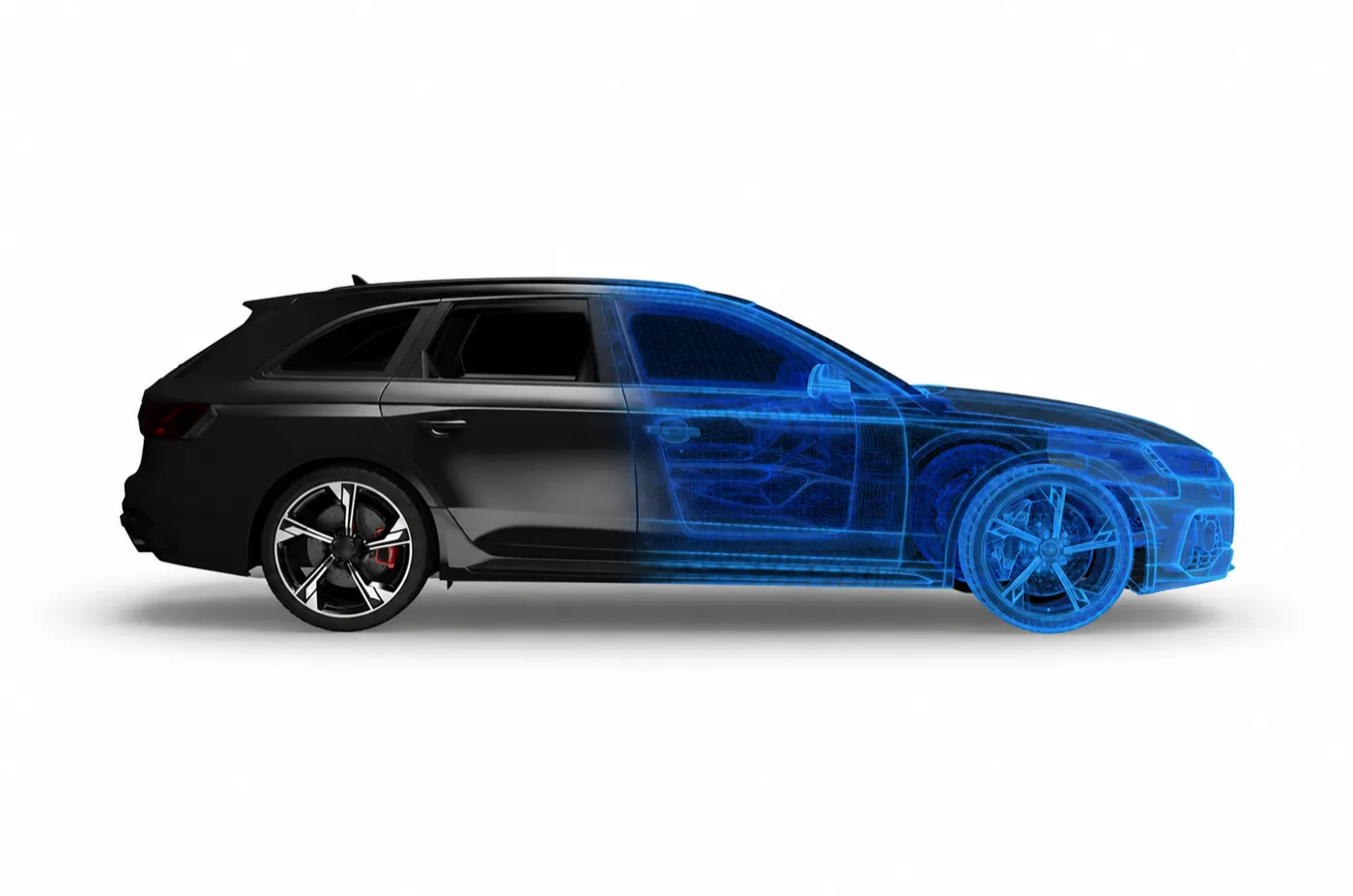
$115 per scan, before sales tax. It covers reading every module the tool reaches and telling you what the faults point to.
Booking a calibration too? A diagnostic scan, when your job needs one, is priced and itemized separately. No calibration price includes it.
Any calibration or repair it points to gets its own line. Every price is on the pricing page.
Usually not. If the estimate lists a scan before and after the repair, and you have both reports, that part is done.
But a clean post-repair scan doesn't prove no calibration was needed. Glass or bumper work usually needs one anyway.
Book ours if the estimate shows neither, or a warning came back with the car.
There's no ADAS reset as such. Clearing codes turns the light off, but it comes back if the cause remains.
So we read before anything is cleared. Codes set by low voltage or by the repair may stay away, and the scan shows which.
A replaced module may need programming. That's quoted on its own line.
The car usually still drives. But the feature behind the warning, such as cruise control or collision braking, may be off or unreliable.
Drive as if it isn't there, and book the scan soon. Your owner's manual says what your exact light means.
Sometimes. A code naming aiming or calibration says the module wants it. But a sensor knocked off line often stores no code.
After glass or bumper work, the repair decides. See windshield camera calibration and front radar calibration.
Check your policy. If the warning followed a collision claim, ask the insurer or body shop whether the scans belong on the repair estimate.
Your written quote shows the scan as its own line. Send that copy to the adjuster.
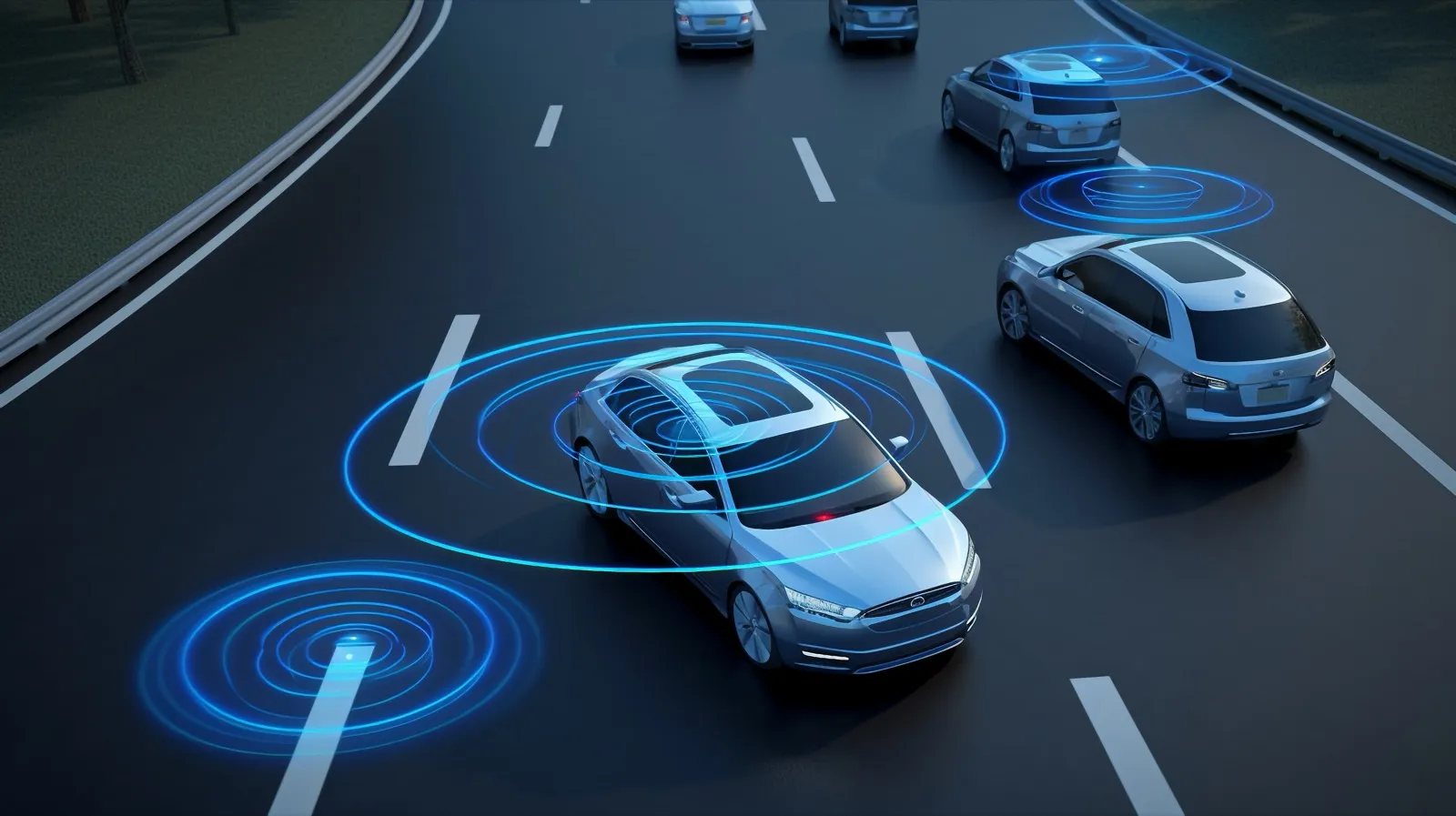
Warning on, or a body shop asking for a scan?
Tell us what the dash shows and what was done lately. Your quote is confirmed in writing before anything is scheduled.
Updated