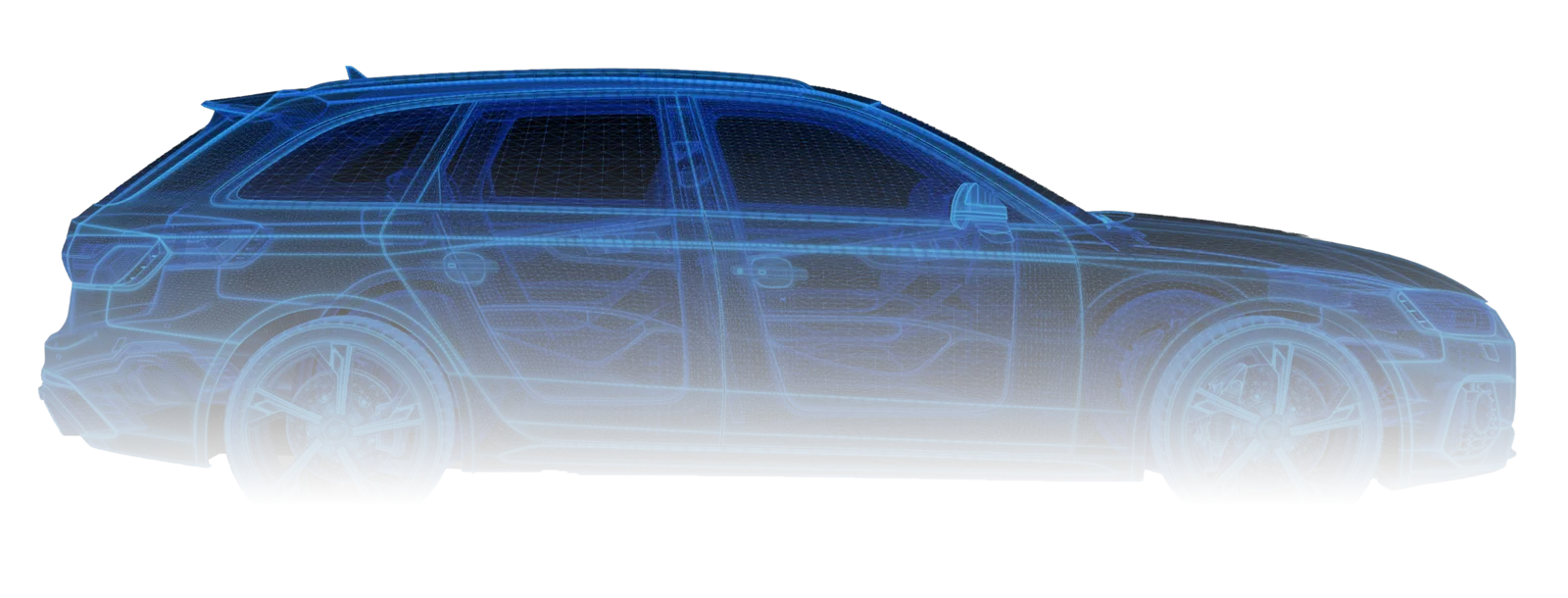
Phantom Braking. ADAS Calibration. From $240 Per System.
Did your car brake hard by itself with nothing ahead, maybe since new glass or a bumper repair? We check whether the camera or radar is off aim, then re-aim it to look straight down your lane, nationwide. Send the VIN and what happened.
- Your quote is confirmed in writing before anything is scheduled.
- Calibration runs to full manufacturer specification.
- A calibration certificate after the job.
Is it safe to drive if it keeps braking by itself?
Drive on with care. Brakes and steering still work, and on some cars the gas pedal overrides it.
The risk is the car behind, so watch for tailgaters. Get it checked if it repeats.
Sources: Nissan, 2023 Rogue manual; Hyundai recall report to the federal safety regulator (NHTSA), May 2026; NHTSA, Tesla investigation closed, June 2026.
What phantom braking is, and what causes it
Phantom braking is your car braking or slowing sharply with nothing in the way.
It comes from automatic emergency braking, which brakes to avoid a crash, or adaptive cruise control, which keeps a set gap. Both use a camera or radar.
Owner's manuals list places they may brake for nothing. One stop there is the system at its limits:
- Low or narrow bridges at speed.
- Steel road plates, railroad crossings and guardrails on a curve.
- Passing a car, or one turning ahead.
- Spray, steam or heavy snow, or glare on a dirty windshield.
Other causes are faults. These need fixing:
- A camera or radar off aim after windshield, bumper or grille work.
- Wrong glass, tint or stickers in the camera's view.
- Software that brakes too early, which the automaker updates.
How to stop phantom braking, in order
- 1
Note where it happened
The road, your speed and what was ahead. Same spot every time? Put that in the quote form.
- 2
Check for a recall
Look up the VIN on the government's free recall site, nhtsa.gov/recalls. An open recall on your VIN is fixed free at the dealer.
- 3
Clear the view
Clean the windshield and clear the grille in front of a blocked radar. Remove any new sticker, tint strip or dash camera mount by the mirror.
- 4
Read the stored faults
Nothing done to the car? A diagnostic scan shows what it logged. Warning light on as well? See what the collision warning means.
- 5
Re-aim what moved
Started after new glass or front-end repair? We re-aim the camera or radar that job touched, priced per system.
What a re-aim costs
If the camera or radar is off aim, re-aiming it is the fix. Send your VIN for a quote naming which one.
Calibration, per system
Coding a replaced part to your vehicle
Diagnostic scan
- Same price on a mobile visit, except rows marked Shop bay only.
- Prices are before sales tax. Whether labor is taxed depends on your state; any tax that applies is itemized on your written quote.
- Dynamic calibration runs on the road, so it can be done as a mobile visit. Static calibration needs a level, lit, measured space, so whether your job can be done mobile depends on what your car's documented procedure calls for.
- Rows marked Shop bay only are done in a shop bay. The bay-and-road camera price applies when your car needs both calibrations.
Phantom braking by make
Braking since new glass or body work? We re-aim the camera or radar it moved, at the prices above. Send your VIN.
-

Honda
Own a 2017 to 2022 CR-V or 2018 to 2022 Accord? Probe open since April 2024.
-

Hyundai
2025 or 2026 Santa Cruz or Tucson? Check your VIN for a free recall.
-

Tesla
Own a 2021 or 2022 Model 3 or Y? Probe closed June 2026, no recall.
-

Nissan
2023 Rogue: its manual warns of partial braking.
-

Subaru
2026 Forester: gates and steam can trigger it.
-

Ford
New glass? Unapproved windshields can cause "unintended braking".
Know your phantom braking
Your car braked for nothing? It's the system's limits, the glass or a repair, or software. Note where, and send it with your VIN.
Each system has limits, listed in its manual. One stop at one of them isn't a fault.
The 2018 Honda Accord manual says it may brake "when there is no vehicle ahead". Its examples:
- passing a car, or one turning ahead
- an oncoming car on a curve
- a low or narrow bridge at high speed
- steel road plates, train tracks, a guardrail on a curve
Other manuals add their own. Two of them:
- 2026 Subaru Forester: automatic gates, a fast change in road grade, steam or smoke.
- 2023 Nissan Rogue: it "may unexpectedly apply partial braking" in some road and traffic conditions.
Sources: Honda, 2018 Accord Owner's Manual; Subaru, 2026 Forester EyeSight Owner's Manual; Nissan, 2023 Rogue Owner's Manual.
Ford's 2026 ADAS repair statement names what throws the sensors off. Two can cause "unintended braking", it says:
- unapproved windshields, which "can distort the camera's vision"
- tint or decals over the camera's view near the mirror
Three or more coats of paint "can attenuate or deflect" the radar's signal: weaken or bend it.
Aim errors grow with distance. A nudged radar can read a guardrail as a car in your lane.
Off aim, a sensor may store no fault code. A clean scan doesn't prove the aim.
Source: Ford, ADAS Integrity and Repair Technical Imperatives, May 2026.
Some phantom braking is software, which only the automaker can change. Check the VIN for recalls before booking.
- Hyundai, some 2025 and 2026 Santa Cruz and Tucson: recall 26V316, a free camera software update.
- Honda, 2017 to 2022 CR-V and 2018 to 2022 Accord: probe open since April 2024, no recall.
- Tesla, 2021 and 2022 Model 3 and Y: slowing on cruise or Autopilot, investigation closed June 2026.
Hyundai's recall report lists no warning that the camera software is affected. NHTSA's Honda file covers braking "with no apparent obstruction".
Sources: Hyundai recall report, May 2026; NHTSA, Honda investigation, April 2024; NHTSA, Tesla investigation closing, June 2026.
A re-aim only helps when a sensor is off aim. So the rest gets ruled out first.
- Stored faults: what the car logged. A scan, when your job needs one, is its own quote line.
- Recalls: open campaigns on the VIN.
- The view: glass type, tint, stickers, anything bolted in front of the radar.
- The history: glass, bumper, grille or alignment work, and when the braking began.
- Steering angle: off center after an alignment, it can make a straight road look like a bend.
Phantom braking questions
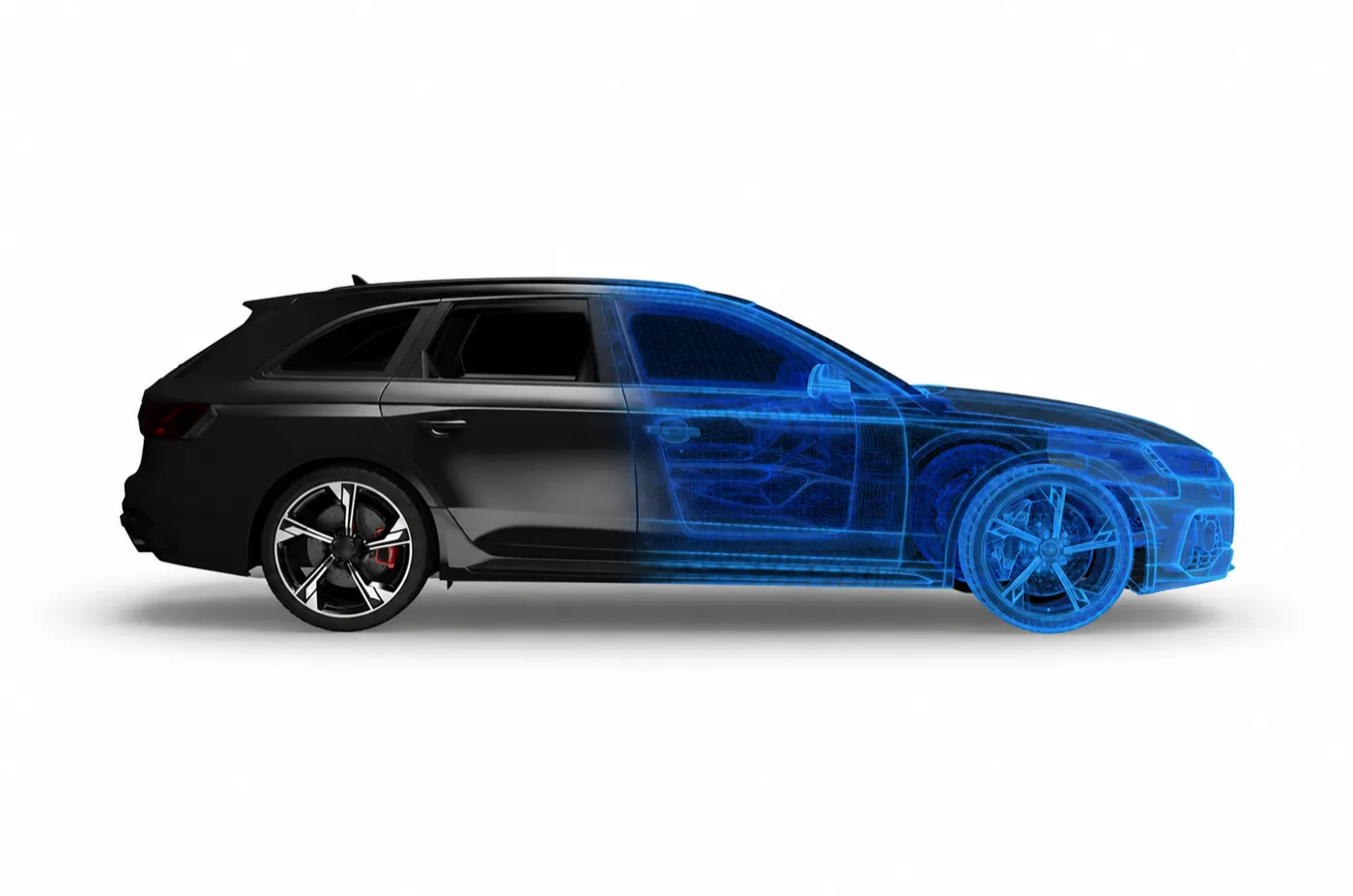
Often it's being careful. Manuals list bridges, steel plates and passing cars as places it may brake for nothing.
Suspect a fault when it repeats on open road, or began after glass or front-end work. Then get the camera or radar checked.
Only if a camera or radar is off aim, usually after glass, bumper or grille work. Then re-aiming it is the fix.
If software, glass or a sticker is the cause, re-aiming won't help. So check recalls, the glass and stored faults before booking a re-aim.
Check the VIN for open recalls first, which the dealer fixes free. Nothing done to the car? Ask the dealer about the warranty.
Started after a glass claim or a crash repair? Check your policy. Our quote itemizes each sensor for the adjuster.
You pay for each sensor you need. Front camera calibration costs $300 at a service center, or $500 where your car's procedure needs both static and dynamic.
Front radar calibration is $330 if a repair moved the radar. A diagnostic scan, when your job needs one, is priced and itemized separately.
Prices are per system, before sales tax where your state charges it on labor, and the full rate card is on the pricing page.
Then the aim probably wasn't the cause. Look next at the glass, a tint strip, the grille or a missed software update.
Software and parts go to the dealer or the shop. Any extra work from us is quoted before anyone starts it.
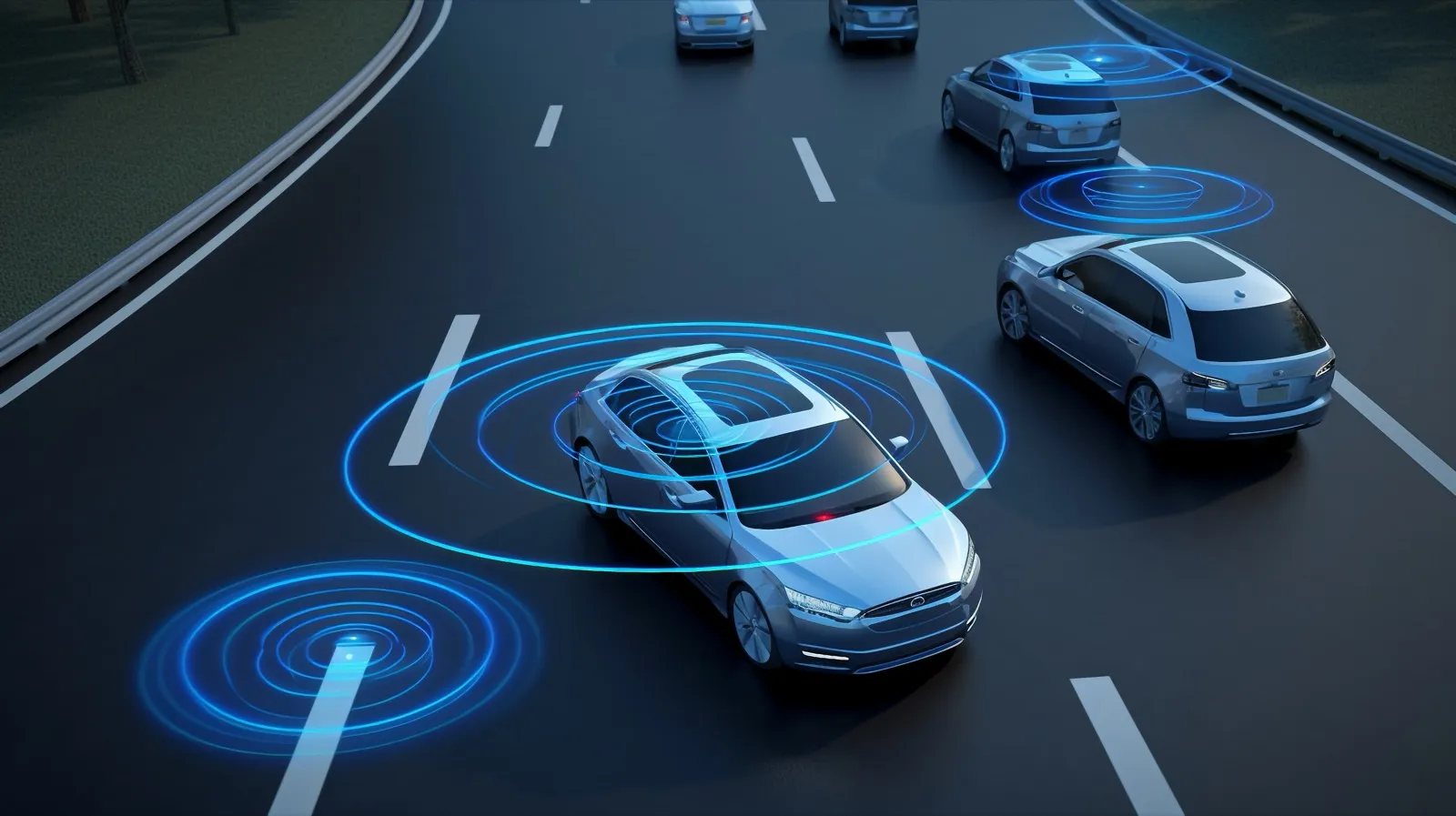
Braking by itself since a repair? Send the VIN
Say where it braked, and what work was done first. Your quote is confirmed in writing before anything is scheduled.
Updated