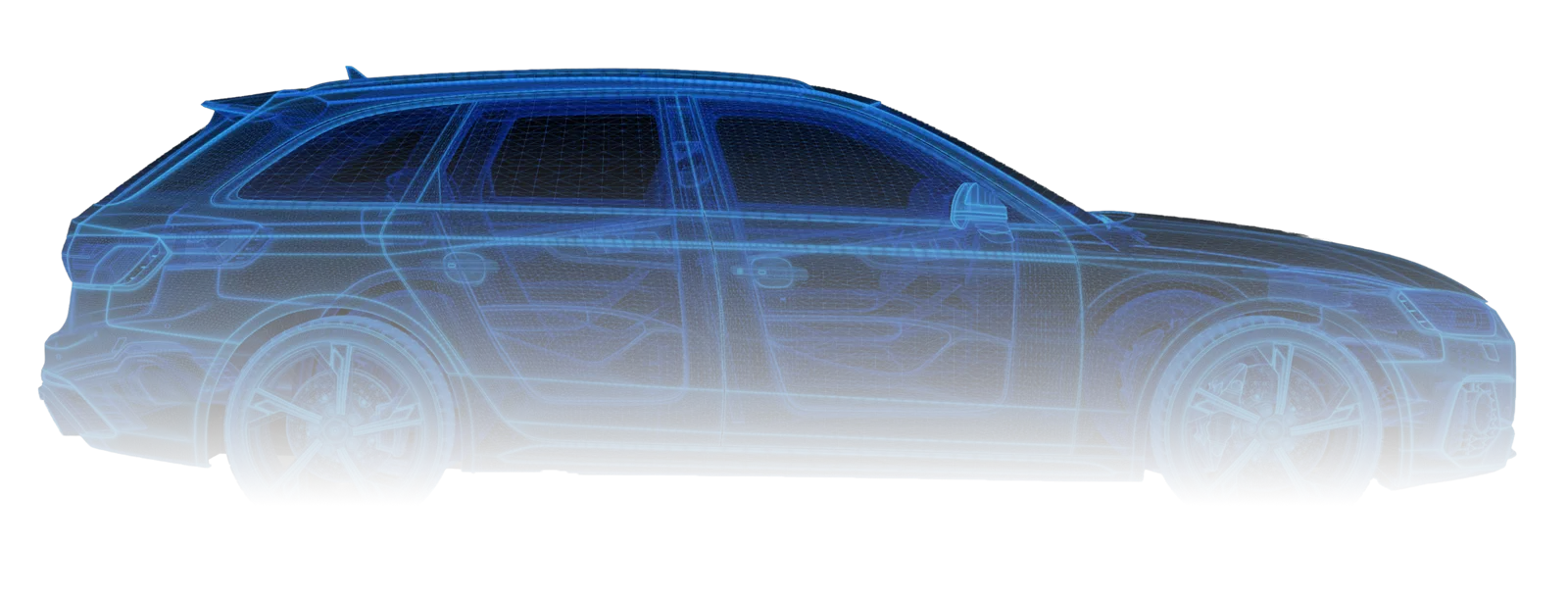
ADAS Calibration for Polestar models
Pilot Assist dropped out after a windshield swap on your Polestar 2? The forward camera lost its reference point. Every Polestar runs ADAS through a windshield-mounted camera, and even 0.5 degrees of misalignment kills the system. We reset it in under 90 minutes.
Do not risk driving your Polestar with misaligned safety systems.
Polestar ADAS Calibration Cost
Calibration costs depend on your specific Polestar model, which ADAS systems need recalibration, and whether mobile or workshop service is required.
-
Windshield Calibration
from $249
Inc. diagnostic scan & certificate
Forward-facing camera realignment
Lane Departure Warning
Forward Collision Alert -
Radar/Sensor Calibration
from $399
Inc. diagnostic scan & certificate
Front & rear radar recalibration
Blind Spot Detection
Parking sensor alignment -
Collision Calibration
from $399
Inc. diagnostic scan & certificate
Multi-system recalibration
Radar, camera & sensor alignment
Post-accident bodywork -
Full System Reset
from $599
Inc. diagnostic scan & certificate
Complete ADAS diagnostic
All systems recalibrated
DTC clearing included
Polestar ADAS Calibration
- ADAS Line US
- Locations nationwide US service centers
- Certification ASE-certified
- Equipment OEM-grade
- Calibration cost From $249
- Book a Calibration Check
Polestar ADAS Systems We Calibrate
- Pilot Assist - camera and radar fusion for adaptive cruise and lane centering. Triggers after any windshield replacement, front bumper work, or wheel alignment change. Without calibration, the system won't engage above 40 mph.
- Collision Avoidance / Automatic Braking - forward camera detects vehicles, pedestrians, cyclists, and large animals. Misalignment causes late braking or phantom alerts. Requires static target calibration after camera repositioning.
- Lane Keeping Aid (LKA) - reads lane markings through the forward camera. Shares calibration with Pilot Assist since both depend on the same sensor. A single calibration corrects both systems.
- Blind Spot Information System (BLIS) - rear quarter radar modules behind the bumper fascia. Triggers after rear bumper removal, quarter panel repair, or sensor replacement. BLIS is not self-calibrating on Polestar and requires a dedicated reset procedure.
Polestar sits within the Geely Group, sharing platform DNA with Volvo. The Polestar 2 runs on Volvo's CMA architecture. The Polestar 3 shares Volvo's SPA2 platform. But the Polestar 4 sits on Geely's SEA platform - a completely different sensor layout. This matters because calibration procedures differ across all three. If your shop also works on Lotus vehicles, you'll see similar Geely Group engineering in the Eletre SUV.
Three Platforms, Three Sensor Configurations
Most brands use one platform across their lineup. Polestar uses three. Each has different sensor hardware, different mounting points, and different calibration sequences.
The Polestar 2 inherits Volvo's compact modular architecture. Forward camera behind the rearview mirror, front radar behind the lower grille. Same setup as the Volvo XC40 Recharge, and the calibration procedure is nearly identical.
The Polestar 3 runs on SPA2 - Volvo's newest large vehicle platform. Standard models carry the same camera-radar package. But Polestar 3 with the Pilot Pack adds a Luminar LiDAR sensor in the roofline above the windshield. LiDAR calibration needs specific target equipment most aftermarket shops don't carry yet.
The Polestar 4 breaks from Volvo entirely. Built on Geely's Sustainable Experience Architecture, it carries a different camera module, different radar placement, and unique software. Calibration scan tools need SEA-specific coverage, and not all aftermarket diagnostic platforms support it fully as of 2026.
The Polestar 4 Problem: No Rear Window
The Polestar 4 has no rear windshield. Instead, it uses a roof-mounted rear-facing camera that feeds a digital display where the rearview mirror would normally sit. This camera is part of the ADAS sensor array - not just a convenience feature.
Rear-end collision repair means verifying that camera's alignment and calibrating its output against the digital display. A body shop that treats this as a cosmetic camera will miss the ADAS dependency. The rear camera feeds the parking system, cross-traffic alert, and reversing safety functions. If the angle shifts during structural repair, those systems report false readings or fail silently.
Polestar also integrates Google Maps Live Lane Guidance directly into its ADAS stack. The vehicle uses GPS positioning alongside camera and radar data to anticipate lane changes and exits. After collision repair, every sensor must be "lined up straight" from front to back - there's no margin for error when the car cross-references physical sensors against digital map data.
Aftermarket Glass and Calibration Failures
Every Polestar mounts its forward ADAS camera behind the windshield. ADAS professionals report that aftermarket glass causes roughly 70% of calibration failures on vehicles with windshield-mounted cameras - optical distortion in the camera zone and poor bracket fit are the root causes. If your Polestar 2 gets a windshield replacement through Safelite, confirm the glass meets OEM optical specs before booking calibration. Poor glass can force dynamic calibration drives of 20-30 miles instead of the normal 3-4.
One in ten vehicles presents undiscovered component damage during ADAS calibration. A partially seated connector will communicate with the scan tool but won't complete the calibration cycle. We verify connector integrity and sensor mounting before starting any procedure.
Why Polestar Owners Choose ADAS Line
- Multi-platform Polestar expertise - CMA, SPA2, and SEA platform calibration experience across all current Polestar models.
- Half the dealer cost - Polestar dealer calibration runs $600-$1,200 depending on the system. Our windshield camera calibration starts at $249.
- ASE-certified technicians - every calibration performed by ASE-certified ADAS specialists with OEM-grade diagnostic equipment.
- Service centers nationwide - book online and get calibrated at a location near you. No dealership wait times.
- Calibration certificate included - documentation for your records and insurance, showing pre-scan results, procedures performed, and post-scan verification.
Polestar Models We Cover
| Model | ADAS Systems | Common Trigger | From |
|---|---|---|---|
| Polestar 2 | Pilot Assist, AEB, LKA, BLIS | Windshield replacement | $249 |
| Polestar 3 | Pilot Assist, AEB, LKA, BLIS, optional LiDAR | Front bumper repair | $249 |
| Polestar 4 | Collision Avoidance, LKA, BLIS, rear camera | Rear collision repair | $249 |
We also cover the Polestar 1 (limited production PHEV coupe with shared Volvo SPA architecture). All Polestar models from 2020 onward carry ADAS systems that require professional calibration after sensor disturbance.
How Polestar ADAS Calibration Works
- Get a quote - tell us your Polestar model and what triggered the issue. Windshield replacement and front bumper repair are the two most common reasons Polestar owners need calibration.
- Book your appointment - windshield camera calibration takes 60-90 minutes. Full system resets with radar and BLIS run 90-120 minutes. Polestar 3 with LiDAR may require additional time.
- Drive away calibrated - ASE-certified technician completes the procedure, runs a post-calibration verification drive, and provides your calibration certificate.
Polestar ADAS Calibration Pricing
| Service | Price |
|---|---|
| Windshield Camera Calibration | from $249 |
| Radar/Sensor Calibration | from $399 |
| Collision Calibration | from $399 |
| Full System Reset | from $599 |
Polestar dealers typically charge $600-$1,200 for ADAS calibration depending on which systems need attention and whether LiDAR is involved. Our pricing covers the same diagnostic scan, calibration procedure, verification drive, and documentation - at a fraction of the dealer rate.
Frequently Asked Questions
Polestar ADAS Calibration — Frequently Asked Questions
Common questions about ADAS calibration for your Polestar
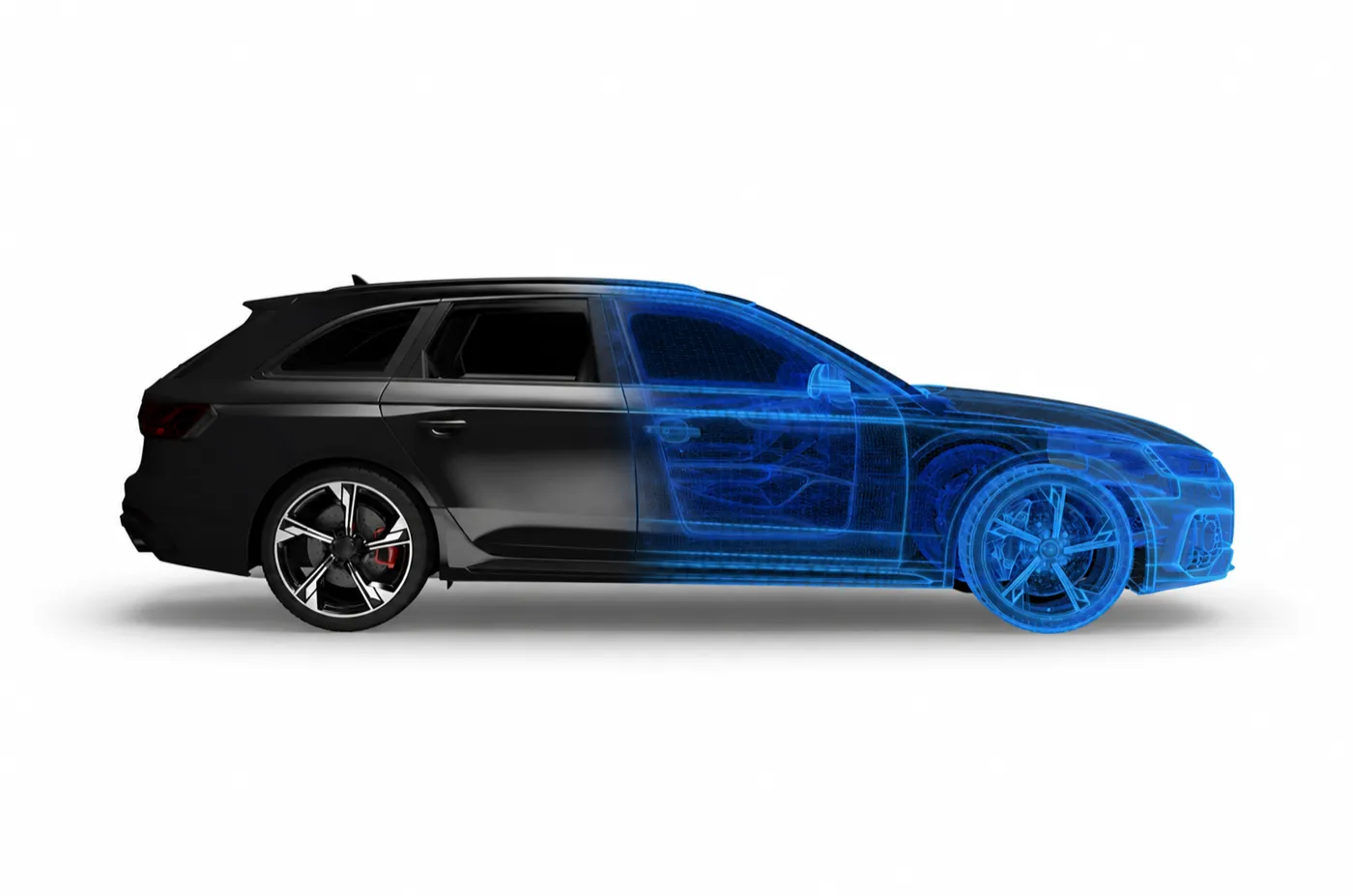
Yes. The Polestar 2 mounts its forward ADAS camera behind the windshield. Any windshield replacement disturbs the camera position and requires static target calibration to restore Pilot Assist, automatic braking, and Lane Keeping Aid. Driving without calibration leaves these systems inactive or unreliable.
Pilot Pack is Polestar's optional advanced ADAS package available on the Polestar 3 and Polestar 4. On the Polestar 3, it adds a Luminar LiDAR sensor to the roofline. Vehicles with Pilot Pack require additional calibration steps for the LiDAR unit, which uses different target equipment than standard camera or radar calibration.
Yes. The Polestar 4 replaces the traditional rear window with a roof-mounted rear-facing camera. This camera feeds the digital rearview display and supports parking, cross-traffic alert, and reversing safety systems. After rear structural repair, the camera angle must be verified and recalibrated to restore accurate output.
Polestar vehicles cross-reference physical sensor data with GPS and digital map information. Even minor bumper work can shift a radar module or loosen a sensor connector enough to trigger system warnings. A diagnostic scan identifies which sensor lost alignment, and targeted calibration restores normal function.
Partially. The Polestar 2 shares Volvo's CMA platform and uses similar calibration procedures to the Volvo XC40 Recharge. The Polestar 3 shares Volvo's SPA2 platform. But the Polestar 4 runs on Geely's SEA platform with entirely different procedures. Each model needs its own diagnostic approach.