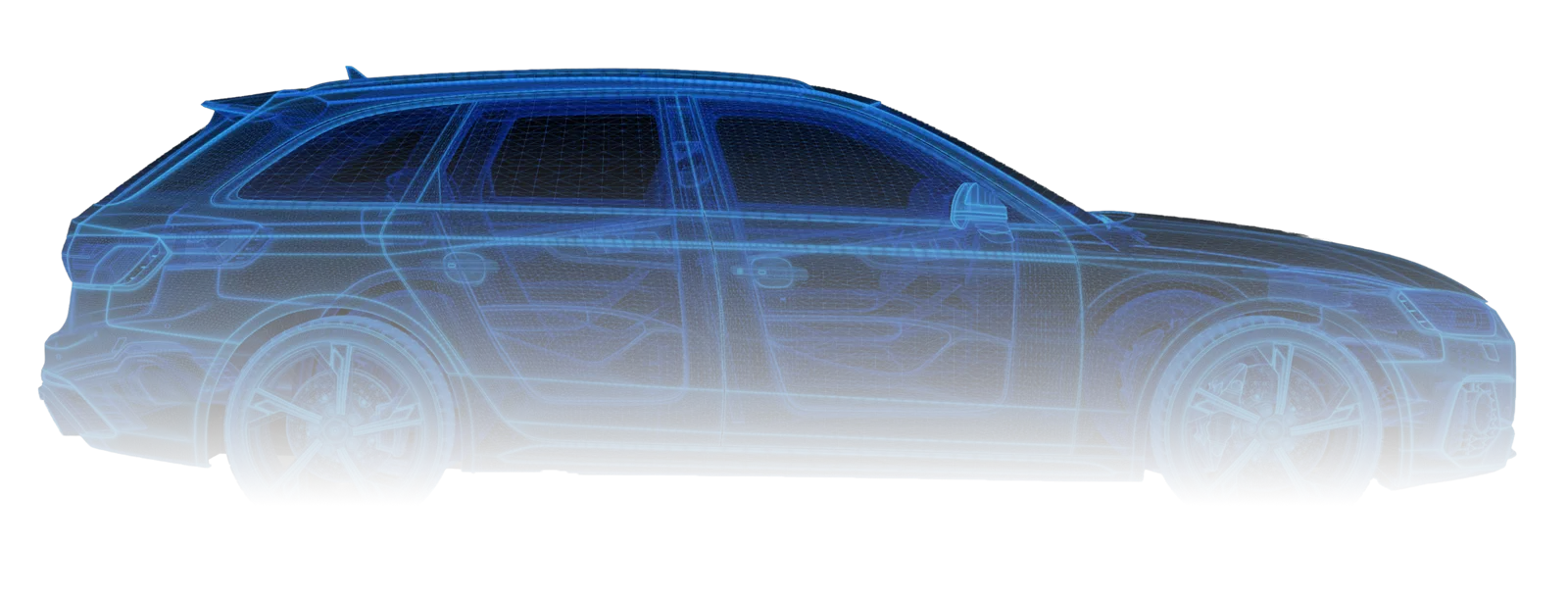
ADAS Calibration for Mazda models
MRCC malfunction after a windshield swap. SBS flashing warnings every time you start the car. Your Mazda's i-Activsense suite lost alignment and needs a professional reset. ASE-certified calibration from $249, done in 60-90 minutes.
Do not risk driving your Mazda with misaligned safety systems.
Mazda ADAS Calibration Cost
Calibration costs depend on your specific Mazda model, which ADAS systems need recalibration, and whether mobile or workshop service is required.
-
Windshield Calibration
from $249
Inc. diagnostic scan & certificate
Forward-facing camera realignment
Lane Departure Warning
Forward Collision Alert -
Radar/Sensor Calibration
from $399
Inc. diagnostic scan & certificate
Front & rear radar recalibration
Blind Spot Detection
Parking sensor alignment -
Collision Calibration
from $399
Inc. diagnostic scan & certificate
Multi-system recalibration
Radar, camera & sensor alignment
Post-accident bodywork -
Full System Reset
from $599
Inc. diagnostic scan & certificate
Complete ADAS diagnostic
All systems recalibrated
DTC clearing included
Mazda ADAS Calibration
- ADAS Line US
- Locations nationwide US service centers
- Certification ASE-certified
- Equipment OEM-grade
- Calibration cost From $249
- Book a Calibration Check
Mazda ADAS Systems We Calibrate
- Mazda Radar Cruise Control (MRCC) - front radar sensor behind the grille badge. Calibration required after any bumper work, grille removal, or collision repair. Misalignment causes false braking inputs or complete system shutdown.
- Smart Brake Support (SBS) - forward-facing camera and radar working together for high-speed AEB. Windshield replacement is the most common trigger. A 1mm shift in the camera mount translates to several meters of targeting error at highway speed.
- Smart City Brake Support (SCBS) - low-speed automatic braking using the near-infrared laser sensor. Separate from SBS and requires its own calibration routine. Fault codes C0023 and C0040 point directly to SCBS communication failures.
- Lane-keep Assist System (LAS) - windshield-mounted camera shared with SBS. Any glass replacement means both LAS and SBS lose their reference points simultaneously.
- Blind Spot Monitoring (BSM) - rear quarter-panel radar sensors. Rear-end impacts, bumper replacements, and even parking damage can shift these sensors enough to trigger false alerts or complete system failure.
Mazda builds i-Activsense as a proprietary suite with naming conventions that don't match any other manufacturer. MRCC isn't just ACC with a different badge. The radar aiming procedure, fault code structure, and calibration targets are all Mazda-specific. That's why generic "ADAS calibration" shops sometimes struggle with these vehicles.
The i-Activsense Naming Problem
Search for "Mazda adaptive cruise control" and you'll find forum posts asking why their MRCC stopped working. Search for "Mazda automatic emergency braking" and you'll find results about SBS. Mazda uses its own terminology for every system, and that creates real confusion when owners try to describe what's wrong.
We see this in our own lead data. One Mazda 6 owner described "MRCC and SBS malfunction error messages" that cleared after restarting the car but eventually became permanent. The root cause wasn't a faulty sensor. It was a bent radar mounting bracket from a previous Cat N collision repair. The sensor tested fine at the dealer. The bracket was off by millimeters. That's all it takes.
Another owner brought in a Mazda MX-30 with "front radar temporarily disabled" showing on the dashboard. No accident, no windshield work. But the radar had shifted from normal driving vibration over time. This is more common than most owners realize. About 1 in 10 vehicles that come in for ADAS calibration have a previously undiscovered component issue that only shows up during the diagnostic process.
SBS vs SCBS - Why Mazda Has Two Braking Systems
Most manufacturers have one AEB system. Mazda has two. SBS handles high-speed emergency braking using the forward camera and radar together. SCBS uses a separate near-infrared laser sensor for low-speed city braking below 20 mph.
The split matters for calibration. A windshield replacement affects SBS and LAS because they share the forward camera. But SCBS uses a different sensor entirely. When fault code U0415 appears alongside C0023 or C0040, it usually means the brake light switch communication has failed on the CAN bus network to the Rear Body Control Module. That's not a camera problem. That's an electrical fault that will block SBS and SCBS from functioning correctly until the root cause is resolved.
Our technicians check for these cross-system faults before starting any windshield camera calibration. Running a calibration while U0415 is active wastes time and money. The procedure might complete, but the system won't function correctly afterward.
CX-30 Radar Programming Requirement
The 2020+ CX-30 introduced a specific requirement that catches many shops off guard. When replacing the radar module, the new unit AND the front grille need programming before calibration can even begin. Skip the initialization step and the calibration tool will either fail outright or produce a false pass that leaves the system non-functional.
This is documented in OEM service information but it's not flagged in most aftermarket calibration tool workflows. Our techs always check model-year-specific pre-calibration requirements before touching the targets.
Static vs Dynamic Calibration for Mazda
Mazda's front camera supports both static and dynamic calibration depending on the system and model year. Dynamic calibration requires specific conditions: clean windshield and headlamps, low beam on, correct tire pressure, dry weather with no snow, and a sustained speed above 37 mph on a straight road with no sharp bends.
Static calibration needs a controlled environment. A certified level floor with a minimum 30-by-50-foot clear space, white walls, proper lighting, and no open doors or windows during the procedure. Mobile calibration services that set up in a parking lot can't meet these standards, which is why our work is done in properly equipped service centers.
Windshield Replacement and Mazda Calibration
Windshield replacement is the single most common reason Mazda owners need ADAS calibration. The forward camera sits directly behind the glass, bonded to a specific mounting point. Safelite and other major glass companies will replace the windshield, but the calibration is a separate procedure that requires specialized equipment.
OEM bulletins are clear on this point: a fitting difference of as little as one millimeter in the windshield position can cause measuring differences of several meters at distance. That's the difference between your SBS braking for a real obstacle and braking for empty road. Or worse, not braking at all.
Battery condition matters too. Mazda's calibration procedure requires stable voltage throughout. If the battery drops during the process, the calibration fails and needs to restart from scratch. We connect a battery maintainer as standard procedure on every Mazda calibration. Industry data shows this is the single most common preventable calibration failure across all brands.
Why Mazda Owners Choose ADAS Line
- i-Activsense specialists - we calibrate MRCC, SBS, SCBS, LAS, and BSM using Mazda-specific procedures, not generic multi-brand shortcuts
- Half the dealer cost - Mazda dealer calibration runs $600-$1,000 per system. Our windshield camera calibration starts at $249
- ASE-certified technicians - every calibration is performed by ASE-certified techs with documented OEM procedure compliance
- Service centers nationwide - controlled workshop environments that meet static calibration requirements for floor level, lighting, and clearance
- Pre-scan and post-scan included - we check for existing faults before calibration and verify all systems after. No hidden issues leave the building
Mazda Models We Cover
| Model | ADAS Systems | Common Trigger | From |
|---|---|---|---|
| CX-5 | MRCC, SBS, SCBS, LAS, BSM | Windshield replacement | $249 |
| CX-30 | MRCC, SBS, SCBS, LAS, BSM | Windshield replacement | $249 |
| Mazda3 | MRCC, SBS, LAS, BSM | Windshield replacement | $249 |
| MX-5 | SBS, LAS, BSM | Bumper/radar damage | $249 |
| CX-60 | MRCC, SBS, SCBS, LAS, BSM | Windshield replacement | $249 |
| Mazda2 | SBS, SCBS, LAS | Windshield replacement | $249 |
We also cover Mazda6, CX-3, CX-80, and MX-30 for all i-Activsense calibration services.
How Mazda ADAS Calibration Works
- Get a quote - tell us your Mazda model and what triggered the issue. Windshield replacement and collision repair are the top two reasons Mazda owners contact us.
- Book your appointment - radar calibration takes 60-90 minutes. Full system resets covering camera, radar, and BSM sensors take 2-3 hours depending on the model.
- Drive away calibrated - every calibration includes ASE-certified documentation and a calibration certificate. We verify all systems with a post-scan before releasing your vehicle.
Mazda ADAS Calibration Pricing
| Service | Price |
|---|---|
| Windshield Camera Calibration | from $249 |
| Radar/Sensor Calibration | from $399 |
| Collision Calibration | from $399 |
| Full System Reset | from $599 |
Mazda dealers typically charge $600-$1,000 for a single system calibration. Our pricing covers the same OEM-specification procedures with ASE-certified technicians and full documentation for insurance reimbursement.
Mazda ADAS Calibration — Frequently Asked Questions
Common questions about ADAS calibration for your Mazda
MRCC malfunction means your Mazda Radar Cruise Control has detected a fault. The most common cause is a misaligned front radar sensor after windshield replacement, bumper work, or collision repair. Even a bent mounting bracket can trigger this error. The radar itself may test fine, but if the bracket is off by millimeters, the system shuts down. Professional recalibration with proper target alignment resolves this in 60-90 minutes.
SBS (Smart Brake Support) and SCBS (Smart City Brake Support) are two separate braking systems that can share underlying electrical faults. Fault codes C0023 and C0040 often appear alongside U0415 when the brake light switch communication fails on the CAN bus. This blocks both systems simultaneously. A diagnostic scan identifies whether the root cause is a sensor alignment issue or an electrical fault before any calibration work begins.
It depends on the calibration type. Dynamic calibration requires driving above 37 mph on a straight, dry road with clean headlamps and correct tire pressure. Static calibration is done indoors on a certified level floor with controlled lighting. Most windshield camera calibrations use static targets. Your technician determines which procedure your specific model and system requires.
Yes. The CX-5's forward camera is mounted directly behind the windshield. Removing and replacing the glass shifts the camera's reference point. OEM data confirms that a 1mm fitting difference can cause measuring errors of several meters at highway distance. Safelite and other glass companies replace the windshield but don't perform the calibration. That's a separate step requiring specialized equipment.
The car will drive, but MRCC and SBS are inactive. You have no adaptive cruise control and no high-speed automatic emergency braking. The system disabled itself because it detected a problem it can't self-correct. Driving without these systems increases your stopping distance and removes collision avoidance protection. Get a diagnostic scan to identify the cause before relying on the vehicle in traffic.