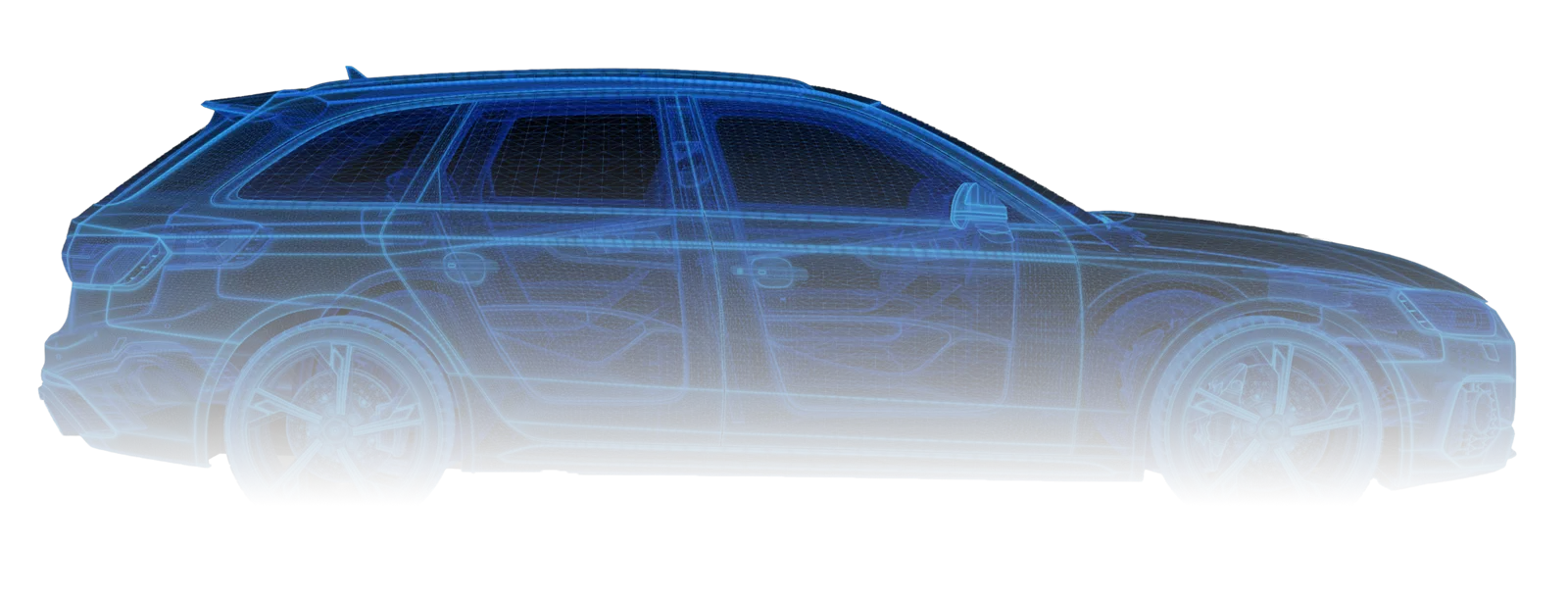
ADAS Calibration for Lucid models
DreamDrive Pro lost tracking after your windshield swap? Lucid packs 32 sensors into every Air - 14 cameras, 5 radar units, and a rooftop lidar. One displaced sensor throws the whole suite out. We recalibrate the full array from $249.
Do not risk driving your Lucid with misaligned safety systems.
Lucid ADAS Calibration Cost
Calibration costs depend on your specific Lucid model, which ADAS systems need recalibration, and whether mobile or workshop service is required.
-
Windshield Calibration
from $249
Inc. diagnostic scan & certificate
Forward-facing camera realignment
Lane Departure Warning
Forward Collision Alert -
Radar/Sensor Calibration
from $399
Inc. diagnostic scan & certificate
Front & rear radar recalibration
Blind Spot Detection
Parking sensor alignment -
Collision Calibration
from $399
Inc. diagnostic scan & certificate
Multi-system recalibration
Radar, camera & sensor alignment
Post-accident bodywork -
Full System Reset
from $599
Inc. diagnostic scan & certificate
Complete ADAS diagnostic
All systems recalibrated
DTC clearing included
Lucid ADAS Calibration
- ADAS Line US
- Locations nationwide US service centers
- Certification ASE-certified
- Equipment OEM-grade
- Calibration cost From $249
- Book a Calibration Check
Lucid ADAS Systems We Calibrate
- Highway Assist - uses forward-facing cameras and front radar for hands-free highway driving. Windshield replacement or front bumper work breaks alignment. Without recalibration, the system won't activate above 40 mph.
- Automatic Emergency Braking - front radar and camera fusion detect obstacles. A 2mm shift in either sensor creates false braking triggers or, worse, no braking at all. Post-collision recalibration is mandatory.
- Lane Keeping Assist - relies on the forward stereo camera behind the windshield. New glass changes the optical path. Lane detection drifts or fails entirely until the camera is re-aimed.
- Blind Spot Warning - rear corner radar units mounted in the bumper. Side impacts and rear-end repairs shift their detection zones. Cross-traffic alerts stop working or throw false warnings at parking lot speeds.
Lucid built DreamDrive Pro on a sensor-dense architecture that shares design thinking with Tesla's vision-heavy approach but adds lidar and more radar units. The result is a 32-sensor array where every component feeds the central compute module. When one sensor loses alignment, the entire suite degrades because the fusion algorithm can't reconcile conflicting inputs.
32 Sensors, One Compute Module: Why Lucid Calibration Is Different
Most vehicles run 8-12 ADAS sensors. The Lucid Air runs 32. That's not a marketing number - it's a calibration problem. Each sensor has a defined field of view that overlaps with neighboring sensors. The central DreamDrive compute module fuses all 32 inputs into a single environmental model. Shift one camera by half a degree and the overlap zones conflict. The system can't reconcile what the left camera sees with what the right radar reports.
This is why a windshield replacement on a Lucid Air isn't a 30-minute camera aim like a Toyota. The forward camera cluster sits behind the glass, and Safelite's aftermarket windshield may have different optical properties than Lucid's OEM glass. Industry data from ADAS calibration professionals shows aftermarket glass drops calibration success rates to 30% on dual-camera systems. Lucid's multi-camera array behind the windshield makes glass quality even more critical.
The lidar unit on the rooftop adds another layer. Lidar calibration requires precise angular alignment relative to the vehicle's center axis. Body shops that handle camera-only systems don't always have the tooling or target setups for lidar aiming. And Lucid's OEM software requirements mean aftermarket scan tools may not have full access to the calibration routines yet. Understanding the difference between static and dynamic calibration matters here - Lucid's lidar requires static target aiming in a controlled environment, while some radar checks need a dynamic road test.
The Security Gateway Problem on Luxury EVs
Lucid follows the same trend as Porsche and other luxury manufacturers: locking down diagnostic access behind security gateways. Real-world calibration data from professional ADAS technicians shows that 2022+ luxury vehicles increasingly block aftermarket tools from accessing calibration functions. Porsche requires VAGLOGINS access. Mercedes charges $6,000-$40,000 annually for OEM tool subscriptions.
For Lucid owners, this means your local glass shop probably can't calibrate DreamDrive after a windshield swap. They can replace the glass. But the 32-sensor recalibration needs a facility with OEM-level access and the correct target setup for lidar, radar, and camera aiming.
Battery Voltage During Calibration
Every EV calibration requires a battery maintainer connected throughout the procedure. Professional ADAS technicians treat this as non-negotiable - it's the most universally agreed-upon best practice in the industry. Lucid Air's high-voltage architecture means the 12V auxiliary battery that powers ADAS modules can drop below threshold during extended calibration sequences. A voltage dip mid-calibration corrupts the procedure and forces a restart. On a 32-sensor system, that restart adds 30-60 minutes to the job.
Facility Requirements
Static calibration on a Lucid Air requires a certified level floor in a controlled space - minimum 30 by 50 feet with 5-10 feet of walkway clearance. White or bright environment. No windows, no open doors, no direct sunlight hitting the targets. Temperature matters too. A vehicle that sat in the sun runs hot enough to shift sensor readings during the aiming process. Professional facilities bring the car inside and let it stabilize before starting.
What Triggers DreamDrive Pro Calibration
Windshield Replacement
The forward camera cluster mounts behind the windshield. Removing and replacing the glass changes the optical path for every camera in that cluster. Even OEM glass requires recalibration. Aftermarket glass from Safelite may need multiple calibration attempts due to optical variance - or may require OEM glass to pass calibration at all. Read more about the full process in our windshield replacement calibration guide.
Collision Repair
Front-end and rear-end impacts displace radar units and camera brackets. Industry data shows 1 in 10 vehicles has a damaged ADAS component discovered during calibration that wasn't caught in the initial repair estimate. On a Lucid with 32 sensors, the odds of finding an additional displaced sensor during calibration are higher simply because there are more sensors to check. Our post-collision calibration guide covers what body shops and insurers need to know.
Suspension or Alignment Work
Wheel alignment changes the vehicle's ride height and attitude. Every forward-facing sensor was calibrated at a specific height and angle relative to the road. A suspension repair or alignment adjustment can shift those reference points enough to trigger DreamDrive warnings on the next highway drive.
OTA Software Updates
Lucid pushes over-the-air updates to DreamDrive that can change how sensors interpret data. Most OTA updates don't require physical recalibration. But updates that modify camera detection algorithms or change radar sensitivity thresholds can trigger a system request for recalibration. If your Air shows a calibration warning after an update, the software has flagged a mismatch between its new parameters and the stored sensor alignment data.
Why Lucid Owners Choose ADAS Line
- Luxury EV calibration specialists - we handle the full DreamDrive Pro sensor array, including lidar, radar, and multi-camera aiming that general shops can't access
- 60-80% less than the dealer - Lucid service center calibrations start at $600-$1,200. Ours start at $249 for windshield camera calibration
- ASE-certified technicians - trained on the latest OEM procedures for high-sensor-count vehicles like the Lucid Air
- Service centers nationwide - controlled calibration environments with certified level floors and proper target setups
- Post-calibration verification drive - every Lucid calibration includes a 10-15 minute road test to confirm all systems activate correctly, because some DreamDrive faults only appear after driving
Lucid Models We Cover
| Model | ADAS Systems | Common Trigger | From |
|---|---|---|---|
| Air | DreamDrive Pro, Highway Assist, AEB, BSW | Windshield replacement | $249 |
| Air Grand Touring | DreamDrive Pro, Highway Assist, AEB, BSW, Lane Keep | Front collision repair | $249 |
| Air Pure | DreamDrive, AEB, Lane Keep, BSW | Windshield replacement | $249 |
All Lucid Air variants carry ADAS systems that require professional calibration after glass, bumper, or suspension work. The Air Pure ships with DreamDrive (standard), while Air and Air Grand Touring get DreamDrive Pro with lidar and the full 32-sensor array.
How Lucid ADAS Calibration Works
- Get a quote - tell us what triggered the calibration need. Windshield replacement and collision repair are the two most common triggers for Lucid Air owners. We confirm which DreamDrive version your vehicle has and which sensors need aiming.
- Book your appointment - windshield camera calibration takes 60-90 minutes. Full 32-sensor DreamDrive Pro recalibration runs 2-3 hours depending on how many sensors need re-aiming. We schedule enough time so nothing gets rushed.
- Drive away calibrated - ASE-certified technician completes the work, runs a verification drive, and hands you a calibration certificate confirming all systems passed. You get documentation for your records and for insurance.
Lucid ADAS Calibration Pricing
| Service | Price |
|---|---|
| Windshield Camera Calibration | from $249 |
| Radar/Sensor Calibration | from $399 |
| Collision Calibration | from $399 |
| Full System Reset | from $599 |
Lucid service centers charge $600-$1,200 for DreamDrive calibration depending on scope. Our pricing starts at $249 for single-system calibration and $599 for a full 32-sensor reset. Same OEM-grade procedures, ASE-certified technicians, controlled facility - without the luxury brand markup.
Lucid ADAS Calibration — Frequently Asked Questions
Common questions about ADAS calibration for your Lucid
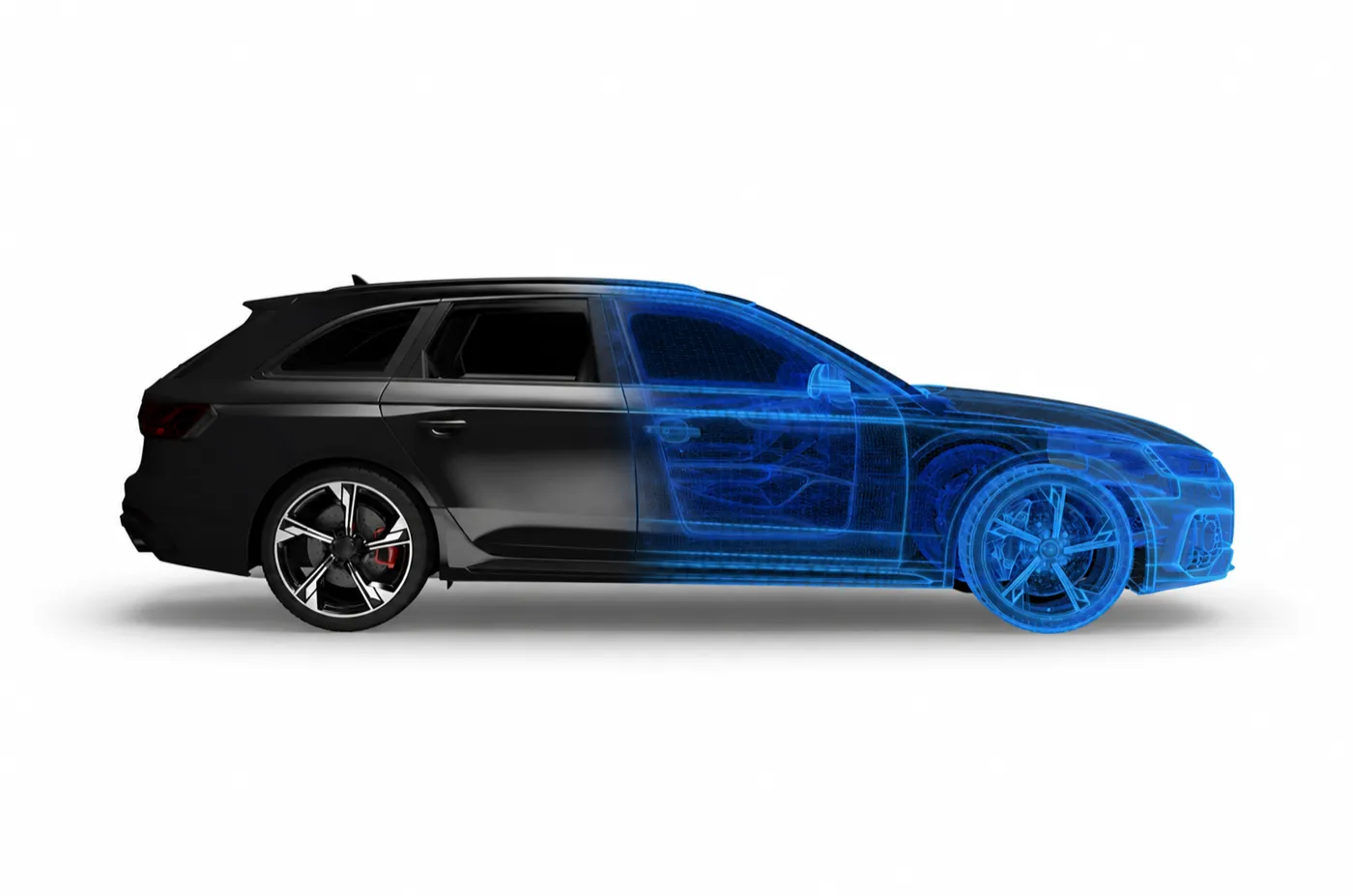
Yes. The forward camera cluster mounts behind the windshield glass. Replacing the glass changes the optical path, and every camera in that cluster needs re-aiming. Both OEM and aftermarket glass from Safelite require post-replacement calibration. Skipping it leaves Highway Assist, AEB, and Lane Keeping disabled or unreliable.
Lucid uses 32 sensors - 14 cameras, 5 radar units, 4 surround-view cameras, a lidar unit, and ultrasonic sensors. Most vehicles have 8-12 sensors. More sensors means more individual aiming procedures, more target setups, and longer calibration time. A full DreamDrive Pro reset takes 2-3 hours compared to 60-90 minutes for a single-camera system.
Probably not. Lucid's security gateway restricts diagnostic access, and most aftermarket scan tools don't have full DreamDrive calibration routines. The glass shop can replace the windshield, but the 32-sensor recalibration requires a facility with OEM-level tool access, certified level floors, and the correct target boards for lidar and camera aiming.
The DreamDrive system will either disable safety features entirely or operate with degraded accuracy. A radar unit shifted by 2mm can cause phantom braking on the highway or fail to detect a vehicle in your blind spot. Post-collision, at least one sensor is almost always displaced - and on a 32-sensor system, the odds of multiple sensors needing re-aiming are high.
Yes. Some DreamDrive faults only appear after driving 20-30 feet - the system produces warnings with no stored fault codes. A 10-15 minute post-calibration verification drive is required to confirm Highway Assist, AEB, and lane tracking all activate correctly at speed. We include this drive in every Lucid calibration.